OECD chief Mathias Cormann highlighted the volatility of the current economic environment during a briefing with journalists:
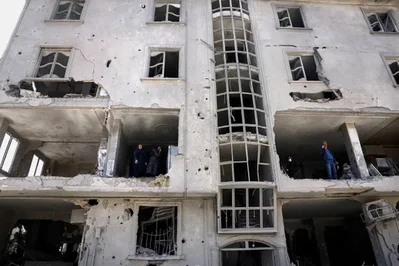
"Theres a high level of uncertainty around the duration and the magnitude of the current conflict in the Middle East and that means that this outlook is subject to significant downside risks that could result in lower growth and higher inflation."
Inflationary pressures are mounting across the G20 economies, with projections for 2026 raised by 1.2 percentage points to 4.0%. The OECD warned that in a more severe scenario where energy prices remain elevated for longer, global growth could drop by an additional 0.5 percentage points by the second year of the shock, while inflation could climb another 0.9 percentage points.
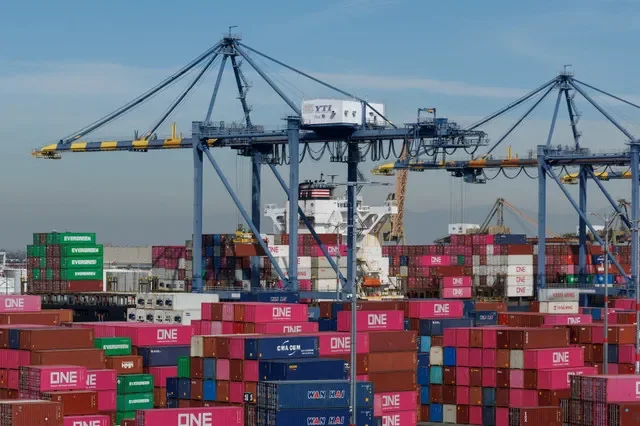
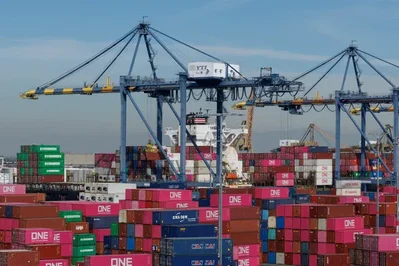
The economic landscape is also being shaped by shifting trade policies. United States bilateral tariff rates have seen reductions following a Supreme Court ruling against certain emergency economic powers. This has led to lower trade barriers for several emerging markets, including Brazil, China, and India. Despite these changes, the overall effective tariff rate in the United States remains higher than levels seen prior to 2025.
In the United States, annual GDP growth is expected to moderate to 2.0% in 2026 and 1.7% in 2027. While investment in artificial intelligence remains a pillar of support, it is being increasingly offset by a slowdown in real income growth and consumer spending. Headline inflation in the country is now anticipated to reach 4.2% in 2026.
Other major economies are showing diverging paths. Growth in China is projected to settle at 4.4% in 2026 and 4.3% in 2027, maintaining previous forecasts. In contrast, the Euro area has seen its 2026 growth projection cut to 0.8% as high energy costs weigh on industrial and consumer activity. Japan is expected to see steady growth of 0.9% in both 2026 and 2027, as business investment helps counter the rising costs of energy imports.
The OECD has advised central banks to maintain a vigilant stance on inflation and recommended that government support for households be strictly targeted and temporary to avoid further fueling price increases.