OECD Says Iran Conflict Erases Global Growth Upgrades
The OECD reports the Iran conflict erased a 0.3 point global growth upgrade. G20 inflation is now projected at 4.0 percent for 2026 as energy prices surge.

The escalating conflict in the Middle East has knocked the global economy off its path toward stronger growth, the Organisation for Economic Cooperation and Development (OECD) warned on Thursday. The near-halt of energy shipments through the Strait of Hormuz, resulting from the war in Iran, threatens to push inflation higher and has effectively erased previously anticipated upgrades to global GDP.
Global GDP growth is now projected to slow to 2.9% in 2026, down from 3.3% in 2025, before slightly recovering to 3.0% in 2027. This forecast represents a significant shift; prior to the escalation, indications suggested that global growth could have been revised upward by 0.3 percentage points. That potential revision has been entirely offset by the impact of the ongoing conflict.
"Theres a high level of uncertainty around the duration and the magnitude of the current conflict in the Middle East and that means that this outlook is subject to significant downside risks that could result in lower growth and higher inflation."
Mathias Cormann, the OECD chief, delivered this assessment as the organization released its interim Economic Outlook. G20 inflation is now expected to hit 4.0% in 2026, a 1.2 percentage point increase from previous projections. In a more severe scenario where energy prices peak higher and stay elevated, global growth could be reduced by an additional 0.5 percentage points by the second year of the shock.
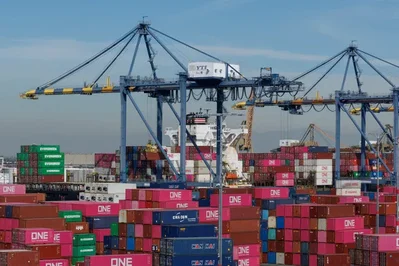
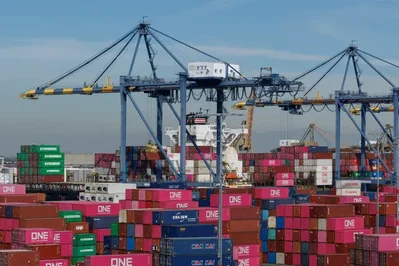
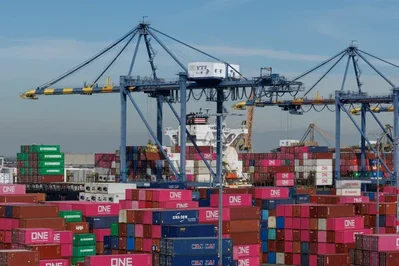
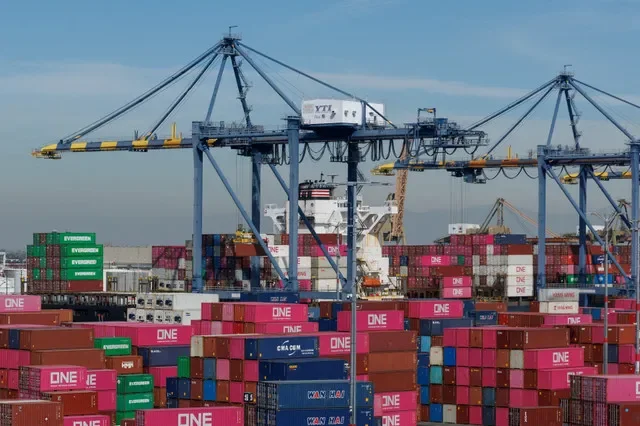
The war is also complicating global trade, which was already facing a complex landscape. In the United States, bilateral tariff rates have declined following a Supreme Court ruling against certain emergency economic powers. This has led to tariff reductions for several emerging markets, including Brazil, China, and India. Despite these changes, the effective U.S. tariff rate remains well above levels seen before 2025.
Individual economic forecasts show diverging paths. U.S. GDP growth is expected to moderate to 2.0% in 2026 and 1.7% in 2027, as robust investment in artificial intelligence is gradually offset by a slowdown in consumer spending. China's growth is projected to ease to 4.4% in 2026 and 4.3% in 2027. In the Euro area, growth is anticipated to slip to 0.8% in 2026 as energy costs weigh on activity, before a slight rise to 1.2% in 2027. Meanwhile, Japan is projected to maintain a growth rate of 0.9% in both 2026 and 2027, as business investment helps mitigate the rising cost of energy imports. The OECD emphasized that central banks must remain vigilant and that government support for households should be well-targeted and temporary.