IMF Cuts Middle East Growth Forecast to 1.1 Percent
The IMF cut its 2026 regional growth forecast to 1.1 percent as conflict disrupts energy exports. Gulf nations face slowdowns and Iran's economy will contract.

The International Monetary Fund (IMF) has significantly lowered its economic growth forecast for the Middle East and North Africa as oil-exporting nations struggle with the consequences of the conflict involving Iran. In its latest World Economic Outlook, the IMF slashed the region's real GDP growth projection to 1.1%, representing a 2.8 percentage point decrease from its January report. While a rebound to 4.8% is anticipated for 2027, this recovery is contingent on the stabilization of regional conditions.

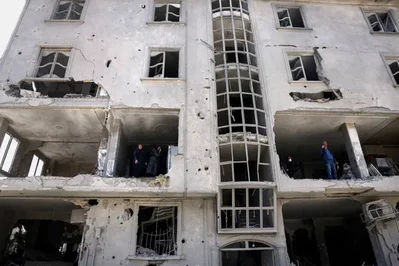
The economic outlook has been clouded by military actions and disruptions to vital trade routes. Strikes initiated by the United States and Israel in late February led to retaliatory attacks by Tehran on energy facilities and shipping in the Strait of Hormuz. This corridor typically handles approximately 20% of global flows for Brent Crude Oil, West Texas Oil, and Natural Gas. The ongoing hostilities have created inflationary pressures and disrupted the global supply chain.
"Growth is expected to rebound to 4.8% in 2027, though this assumes energy production and transportation in the region are normalised over the next few months."
The IMF noted that its estimates would require further revision if the conflict persists. Diplomatic efforts to resolve the crisis have faced setbacks, with recent talks between Washington and Tehran breaking down, followed by a military blockade of Iranian ports. Despite these tensions, some efforts to maintain a dialogue continue.
Saudi Arabia, the largest economy in the Arab world, is now expected to see growth of 3.1% in 2026, a reduction of 1.4 percentage points from previous estimates. However, the kingdom is projected to be less severely affected than its neighbors. In contrast, the Iranian economy is forecast to contract by 6.1% this fiscal year. The report also anticipates economic contractions for Bahrain, Iraq, Kuwait, and Qatar.
Regional oil and gas importers have seen milder revisions to their growth prospects. In Egypt, GDP growth is projected to slow to 4.2% in 2026, down from an earlier estimate of 4.7%, with a forecast recovery to 4.8% the following year. The degree of economic impact across the region remains tied to the level of damage sustained by infrastructure and the availability of alternative export routes. A more comprehensive regional economic outlook is scheduled for publication on April 16.