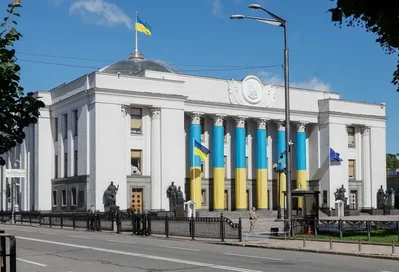
Among the measures approved was a bill extending a military tax that was first established after the invasion by Russia in February 2022. According to lawmaker Yaroslav Zhelezniak, the tax will now remain in effect for three years following the eventual conclusion of the war. Parliament also moved forward with three additional bills linked to the Ukraine Facility, a framework where EU investments are tied to specific domestic reforms.
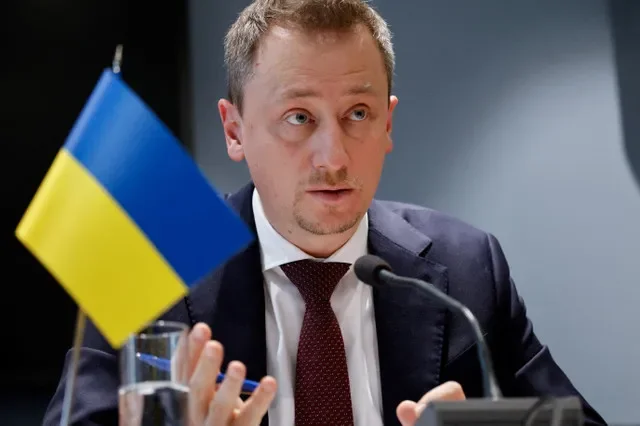
Economy Minister Oleksii Sobolev highlighted the stakes of the current voting session in a social media statement.
This is just the start of a voting week that will determine whether Ukraine receives further financial support under the Ukraine Facility.
Sobolev noted that the approval of these three specific laws would enable the country to access approximately 1.3 billion euros in funding. However, the legislative process has highlighted internal friction between parliament and the executive branch. Some lawmakers have accused the government, including President Volodymyr Zelenskiy and Prime Minister Yulia Svyrydenko, of implementing populist policies and failing to communicate effectively with the legislature.
The political environment remains complex as the ruling Servant of the People party works to gather sufficient support for upcoming votes. One particularly contentious bill involving a tax on online platforms is expected to be debated on Wednesday. Under current laws, national elections cannot be held until the state of war has ended, leaving the current administration to navigate these fiscal challenges through the existing parliamentary structure.