
IMF Begins Funding Talks with Ukraine Amid Tax Hikes
IMF officials started talks with Ukraine on Wednesday regarding funding and tax reforms. Kyiv must raise taxes for small businesses by April to secure aid.

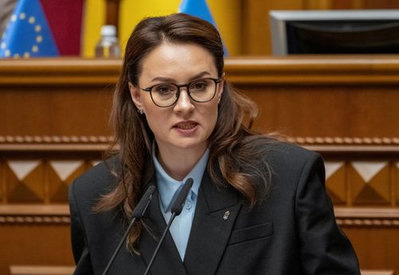
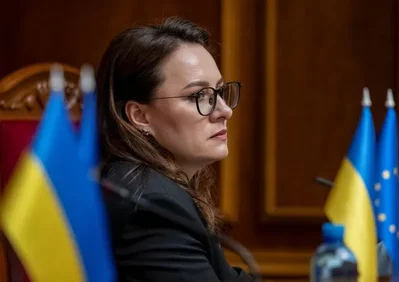
An International Monetary Fund (IMF) mission has commenced critical discussions with the government of Ukraine as the nation navigates the difficult process of implementing unpopular tax hikes. These measures, primarily targeting small businesses and entrepreneurs, are considered essential for securing continued international financing and maintaining macroeconomic stability in the war-torn country.
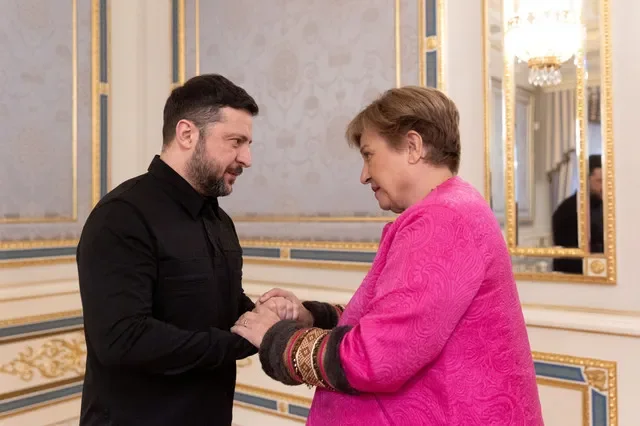
Priscilla Toffano, the IMF representative in the country, noted that the current dialogue aims to address structural reforms and broader economic policies.
The discussions will cover macroeconomic policies and key structural reforms.
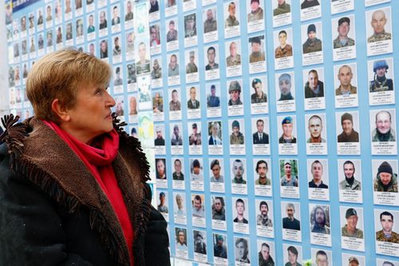
The IMF recently released $1.5 billion as part of a larger $8.1 billion lending initiative. However, future disbursements are contingent upon the government meeting specific funding conditions. As the conflict with Russia enters its fifth year, the budget deficit has expanded significantly. Economists and government officials estimate that external financing requirements for the current year range between $45 billion and $52 billion.
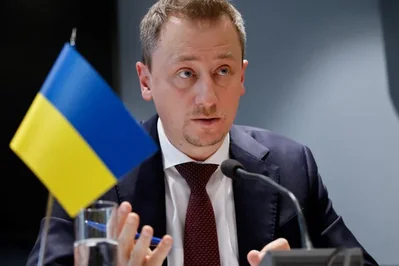
The negotiations are expected to prioritize revenue-generating measures, including tax increases for individual entrepreneurs and efforts to reduce the shadow economy. Sergiy Fursa, a deputy director at Dragon Capital, emphasized the necessity of these reforms for the nation's financial health.
No IMF programme – no money.
Lawmakers face a deadline at the end of March to pass legislative changes that would impact approximately 250,000 entrepreneurs. The proposed package includes higher taxes for digital platforms and a reduction in value-added tax exemptions. While the government previously raised income and business tax rates in December 2024, the sustained intensity of the war has necessitated further fiscal adjustments.
Most domestic revenue is currently allocated to defense, leaving the country dependent on foreign aid for social spending, including public sector wages and pensions. Beyond direct IMF support, the program is vital for unlocking broader international assistance. This includes a 90 billion euro loan from the European Union, which has faced delays due to opposition from Hungary and its Prime Minister, Viktor Orban.