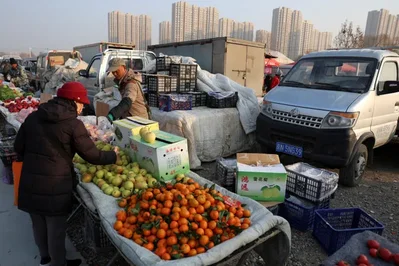
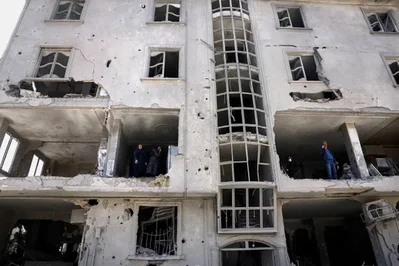
The World Bank now estimates that growth in emerging markets and developing economies will reach 3.65% in 2026, a decrease from the 4% projected in October. This figure could fall to 2.6% if the conflict persists. Inflation in these regions is now expected to hit 4.9% in 2026, up from a previous 3% estimate, with a potential spike to 6.7% in a worst-case scenario. Additionally, the International Monetary Fund warned that 45 million more people could face acute food insecurity due to disruptions in fertilizer shipments.
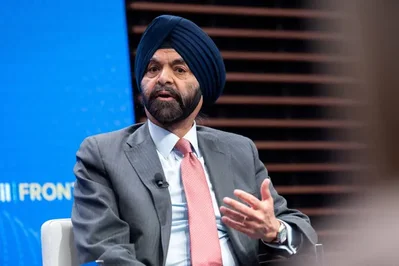
World Bank President Ajay Banga emphasized the importance of established fiscal and monetary controls while acknowledging the severity of the current situation.
Leadership matters, and weve come through crises in the past.
To address the crisis, the International Monetary Fund expects demand for emergency support to range between $20 billion and $50 billion for low-income and energy-importing nations. The World Bank has stated it can mobilize $25 billion in the near term, with the capacity to reach $70 billion within six months. Economists are advising governments to implement targeted, temporary measures to mitigate high prices without further fueling inflation.
The geopolitical environment has become increasingly complex, with heightened tensions between the United States and China. The Group of 20 (G20) is currently facing challenges in coordinating a unified response. Although the United States holds the rotating presidency of the G20, the exclusion of South Africa from participation has further complicated diplomatic efforts.
Josh Lipsky, chair of international economics at the Atlantic Council, noted the difficulty of achieving international cooperation in the current climate.
Youre trying to operate on consensus when theres no consensus in the world right now on anything.
Financial experts suggest that many developing economies are entering this crisis with fewer resources and higher debt levels than in previous years. Mary Svenstrup of the Center for Global Development argued that the current situation should prompt a rethink of how the International Monetary Fund stakeholders support vulnerable nations, suggesting that financial aid should be affordable and tied to reform programs or debt relief.
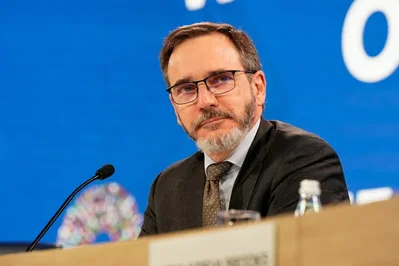
Martin Muehleisen, a former International Monetary Fund strategy chief, recommended that new lending be linked to credible debt-reduction plans to help borrowers escape debt cycles. Eric Pelofsky of the Rockefeller Foundation highlighted that many low-income countries are already spending double the amount on debt servicing compared to pre-pandemic levels, leaving little for essential social services like health and education. He warned that the new conflict risks trapping these nations in a cycle of debt and stagnant growth.