
White House Requests New Measures to Curb Energy Prices
White House officials are asking federal agencies for new policy options to address rising energy prices. They are reviewing steps to stabilize fuel markets.

The United States administration is intensifying its efforts to mitigate rising energy costs as the ongoing conflict involving Iran continues to disrupt global markets. Senior officials have reportedly directed federal agencies, including the departments of Energy and Treasury, to explore more aggressive policy options that could be implemented without the need for congressional approval.
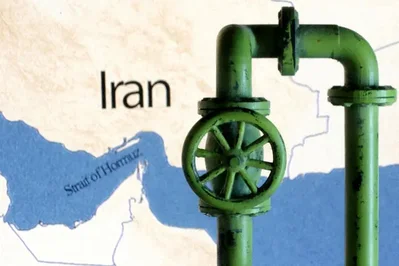
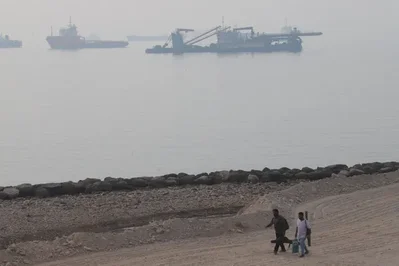
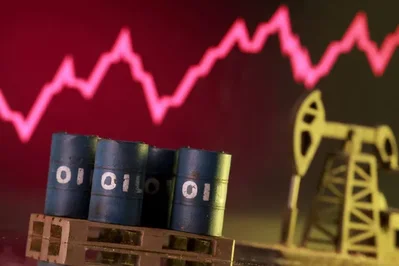
Global crude prices, including Brent Crude Oil, have seen significant volatility. U.S. and global crude futures climbed above $90 a barrel recently, driven by supply constraints in the Middle East. The effective closure of the Strait of Hormuz, a critical chokepoint for approximately 20% of the world's daily oil supply, has exacerbated the situation during the expanding war involving Israel and Iranian forces.
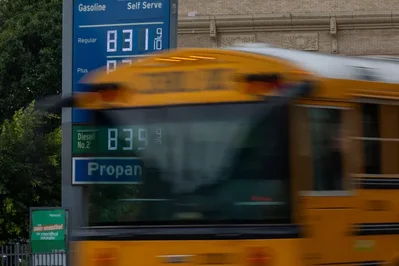
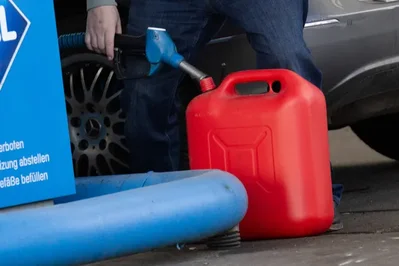
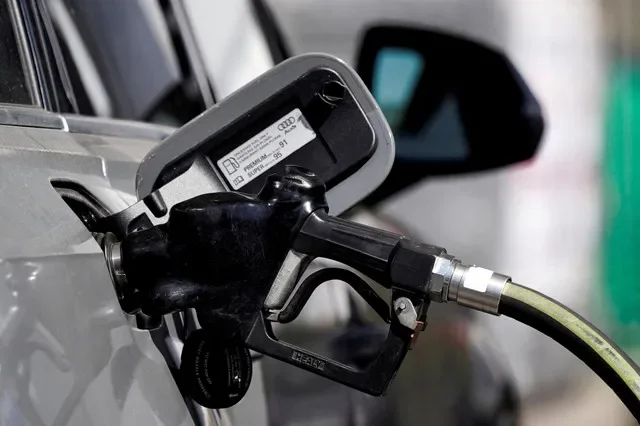
Domestic gasoline prices have reached levels not seen in years, with the national average for regular unleaded surpassing $3.30 per gallon. Diesel prices have similarly risen to $4.26 per gallon. These spikes pose a significant political risk for the current administration ahead of the upcoming midterm elections, where control of Congress is at stake.
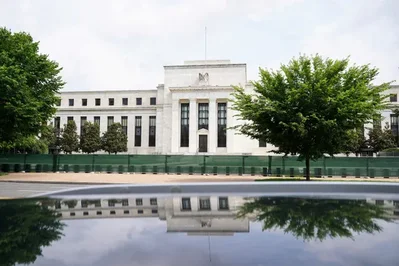
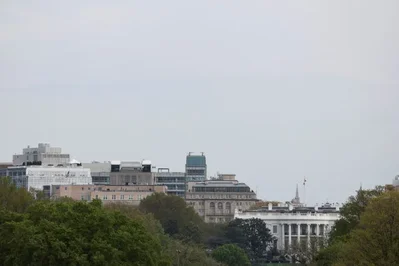
The White House is coordinating with the departments of Energy, Transportation, and Treasury, as well as the Environmental Protection Agency. Potential measures under discussion include a federal gasoline tax holiday and the easing of environmental regulations to allow for higher ethanol blends in summer gasoline. Additionally, the Treasury Department is considering strategies involving the oil futures market, though no immediate announcement is expected.
White House spokeswoman Taylor Rogers addressed the administration's strategy in a statement regarding the interagency coordination:
"President Trump and his entire energy team have had a strong game plan to keep oil prices stable well before Operation Epic Fury began, and they will continue to review all credible options and execute on them when appropriate."
To support energy transport, the U.S. International Development Finance Corporation has been ordered to provide insurance against losses from political instability or conflict for Gulf maritime trade. Furthermore, the administration announced it would provide reinsurance for losses up to $20 billion in the Gulf region to bolster confidence for oil and gas shippers during the ongoing hostilities.
Despite these efforts, some market analysts remain skeptical about the efficacy of financial guarantees alone. They argue that operational and security risks in the Gulf may outweigh the benefits of federal insurance programs, leaving markets unsettled as the conflict persists. Officials remain wary that overly aggressive market interventions could backfire, potentially eroding confidence if they fail to lower prices at the pump.