White House expects lower energy prices after Iran conflict
Press secretary Karoline Leavitt said current oil price hikes are temporary during the Iran conflict. The U.S. aims to ensure long-term energy stability.

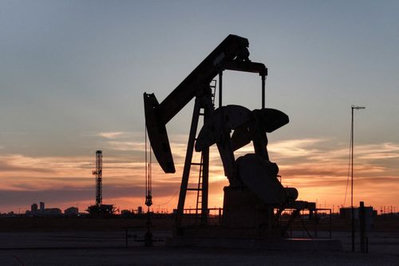
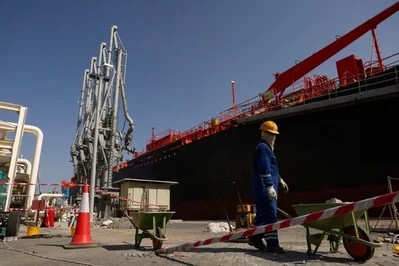
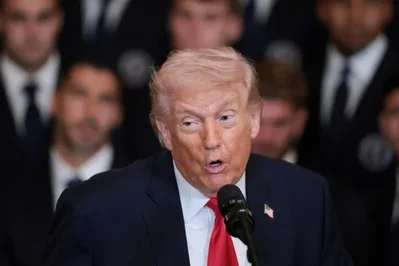
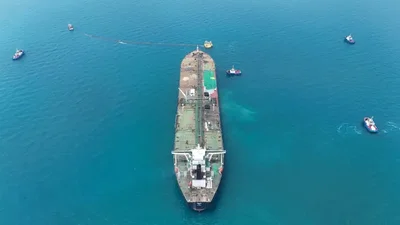
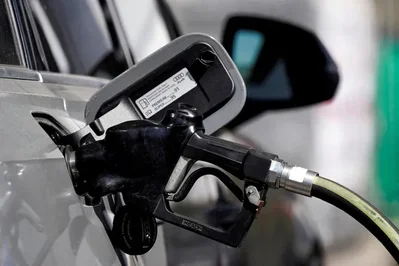
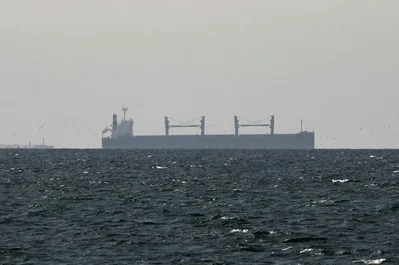
The United States government has signaled that the current rise in fuel costs is a temporary situation that will resolve as military objectives in the Middle East are met. White House press secretary Karoline Leavitt informed reporters on Tuesday that the administration anticipates a rapid decline in oil and gas prices following the conclusion of joint operations by Israel and American forces against Iran. > Rest assured, to the American people, the recent increase in oil and gas prices is temporary, and this operation will result in lower gas prices in the long term. On Monday, oil prices surged to over $119 per barrel, reaching their highest point since June 2022. This market pressure has been exacerbated by supply reductions from Saudi Arabia and other major producers, sparking fears of significant global supply chain disruptions. Such economic shifts often impact consumer goods giants like Colgate-Palmolive Company, which face increased operational costs, while also driving interest in precious metals and resources through entities such as NovaGold Resources Inc.. Leavitt noted that the executive branch and its energy advisors are closely monitoring market trends and maintaining communication with industry leaders. Additionally, the U.S. military is preparing further contingencies to ensure the Strait of Hormuz remains accessible for international trade. These strategic deliberations come as the White House seeks to mitigate the impact of energy costs on businesses and consumers ahead of the November midterm elections.