Fed Weighs Policy Outlook Amid Iran Conflict and Oil Risks
Fed officials meet this week to update projections as the Iran conflict disrupts oil supplies. They must weigh rising inflation against signs of economic cooling.

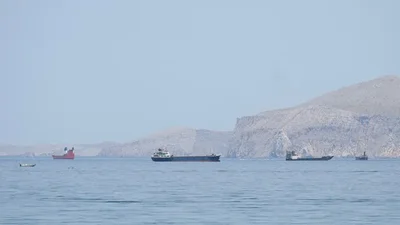
Federal Reserve officials are convening this week to navigate a policy outlook clouded by a conflict that has halted approximately one-fifth of the global oil supply. The central bank must decide if the hostilities in Iran are more likely to stifle economic growth, fuel persistent inflation, or create a volatile mix of both. Given that previous supply shocks left the Fed trailing its 2% inflation target for years, policymakers are expected to maintain a cautious or hawkish tone during their deliberations.
Inflation currently remains about one percentage point above the target and is poised to climb further, particularly as oil prices have surged nearly 50% in just two weeks. This environment has led to discussions that were recently unthinkable. Matthew Luzzetti, chief U.S. economist for Deutsche Bank AG, noted that while rate increases in 2026 remain unlikely without a clear jump in inflation expectations, some officials were already prepared to consider the possibility at their last meeting.
The broader economic impact is expected to manifest through higher prices, tighter financial conditions, and increased uncertainty. Dario Perkins, chief economist at TS Lombard, questioned whether the current energy crisis might be one shock too many for an economy that has already navigated a pandemic, high inflation, and significant policy shifts. Vulnerabilities are appearing, including the loss of 92,000 jobs in February and the strain on consumers facing high costs. Since the United States and Israel launched attacks, retail gasoline prices have jumped nearly 25% to their highest levels since October 2023.
Despite the volatility, some officials anticipate a near-term resolution. U.S. Energy Secretary Chris Wright suggested on Sunday that hostilities could end soon.
"I think that this conflict will certainly come to the end in the next few weeks - could be sooner than that."
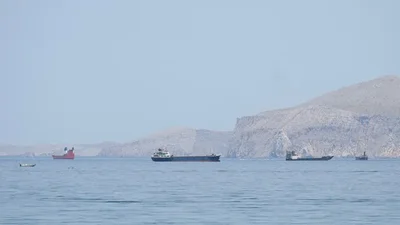
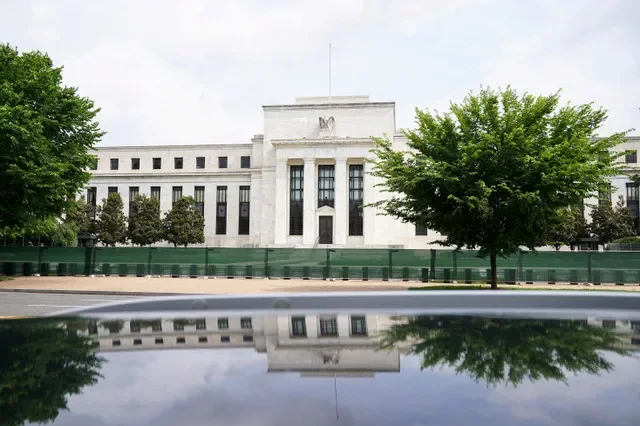
The Federal Reserve is widely expected to hold interest rates steady this week. The institution is also preparing for a leadership transition, with Kevin Warsh nominated to succeed current Chair Jerome Powell in mid-May. However, recent economic data may already be outdated following Iranian counterattacks that have effectively closed the strategic Strait of Hormuz. Minutes from the January meeting already showed that several policymakers were open to rate hikes if inflation remained high, a concern that has only intensified. The current situation draws parallels to the 2022 invasion of Ukraine by Russia, where Powell noted the extreme uncertainty of the impact.
"In addition to the direct effects from higher global oil and commodity prices, the invasion and related events may restrain economic activity abroad and further disrupt supply chains."
Today's environment is even more dynamic, with the U.S. directly involved in combat and a significant portion of global energy production unable to move. While analysts generally assume a short-lived conflict in their base cases, the potential for an extended standoff remains a concern. Subadra Rajappa, head of research at Société Générale S.A., emphasized the difficulty of the current landscape.
"Higher inflation and deteriorating labor market conditions make it difficult for the Fed to balance its dual mandate."