Vape makers adopt US branding to bypass trade tariffs
New vape brands are using American branding to bypass federal crackdowns on Chinese imports. This shift aims to avoid trade tariffs and customs inspections.

The United States vaping market, long dominated by imports from China, is seeing a rise in products carrying "Made in America" branding. This trend is viewed by analysts and industry executives as a strategic response to the Trump administration’s crackdown on unlicensed brands and the imposition of significant trade tariffs. The shift suggests that the multi-billion-dollar industry is adapting its marketing tactics in the face of a tougher regulatory environment.
The United States represents the world’s most valuable market for vaping, estimated at $12 billion in 2024 by British American Tobacco PLC. While the majority of these devices are manufactured in China, many are distributed domestically without formal authorization from regulators. Since October, at least eight new vape brands have emerged using American-themed marketing, according to a Reuters analysis. While some of these brands are controlled by domestic firms, trademark filings reveal that others are owned by entities based in Hong Kong or China.
Pallav Mittal, an analyst at Barclays, noted that these companies likely believe such branding makes their products less likely to be seized by customs officials targeting unlicensed Chinese imports. This could potentially slow the impact of the crackdown on the illegal market.
"If the illegal players have found another way to stay in the U.S. market... then this shift from illegal to legal will probably slow down," Mittal said.
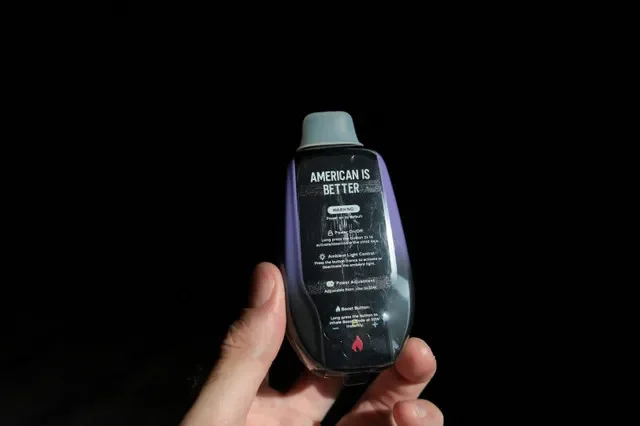
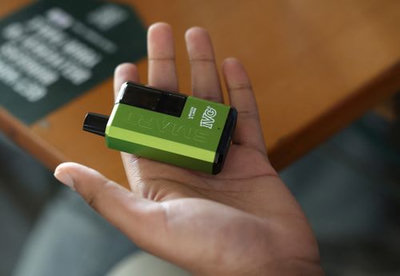
One such brand, OneTank, features packaging with an American flag and a "made in USA" stamp. However, business filings indicate the brand is controlled by a representative of Shenzhen Onevape Technology. Similarly, the Maxus Star brand displays "Vape American" slogans and a "built in the USA" stamp, despite being owned by a Hong Kong-based firm with ties to Chinese manufacturers. Neither brand responded to requests for comment.
Steve Xu, an adjunct assistant professor at the University of Waterloo in Canada, suggested that some manufacturers may be experimenting with domestic production or increasing the use of American-made e-liquids to reduce tariff burdens. Charlie's Holdings Inc recently opened a factory in the United States to fill its disposable vapes with e-liquid, citing supply chain disruptions and a growing consumer preference for domestic labels. Despite this, the company’s annual report indicates its hardware is still produced by a Chinese manufacturing partner.
Unlicensed products currently account for approximately 70% of the market in the United States, with the Food and Drug Administration (FDA) having authorized only 41 specific devices for sale. The Trump administration has specifically targeted Chinese-made devices, with officials arguing that China is profiting from the distribution of illegal products. Tadeu Marroco, CEO of British American Tobacco PLC, observed that the shift in branding reflects a tactical adaptation to increased enforcement.
"As the administration increases enforcement, they get more creative," Marroco said.
Despite the regulatory pressure, Chinese trade data indicates that exports to the United States remain robust, with shipments valued at more than $4 billion in 2025. The FDA declined to comment on the shift toward domestic branding but emphasized that selling unauthorized vapes remains illegal regardless of their place of manufacture.