China Faces Highest Rate
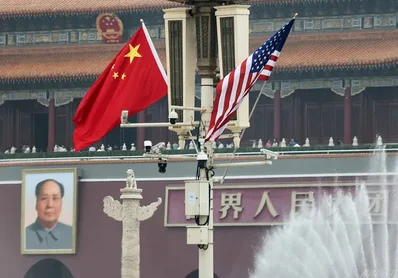
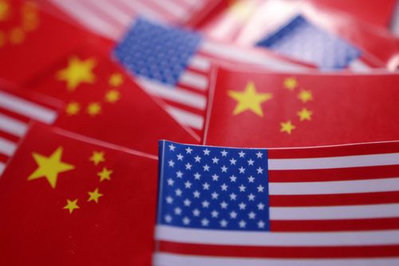
China faces a 20% tariff rate, which could double to 40% if bilateral trade talks fail. The tariff proposals come as China's goods trade surplus surpassed $1.0T in the first 10 months of the year. US Trade Representative Jamieson Greer said the current duties avoid stacking on top of previous July penalties tied to labor practices.
Tiered Rates for Trading Partners
India faces a 17% tariff rate if a trade deal is finalized, rising to 25% if talks collapse. Vietnam faces a capped rate of 20% under a prospective agreement, or 35% without a deal. Brazil faces a 10% duty on finished aircraft over unresolved trade practices.
Capped Levies and Market Reaction
Tariffs are capped at 18% for Cambodia, Indonesia, Malaysia, Thailand, and Bangladesh. A 15% cap applies to Japan, South Korea, Taiwan, the European Union, and Switzerland. Global stock markets gained as the proposals brought few surprises. Equity markets in Europe and Asia advanced on Thursday as the tariffs were largely baked into expectations, HSBC chief Asia economist Fred Neumann said.
The U.S. Trade Representative office will hold a public hearing on the new tariffs on January 25.