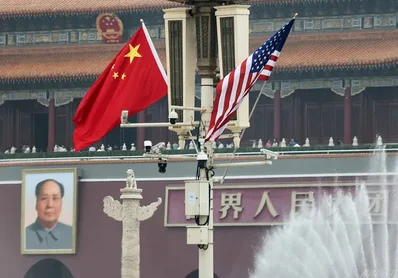
The friction risks straining diplomatic and economic ties between key trading partners as Washington pursues broader duties to counter excess industrial capacity.
Economic Impact and Trade Surplus
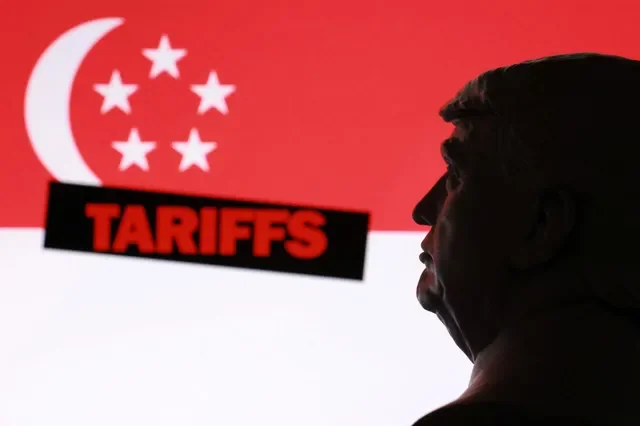
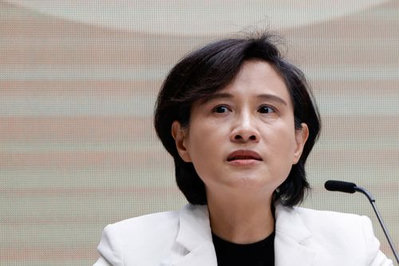
Deputy Prime Minister Gan Kim Yong said during a Thursday morning press briefing that the government was surprised by the proposal. If implemented, the updated levy would lift the effective tariff rate on Singaporean exports to 10.3% from 7.8%.
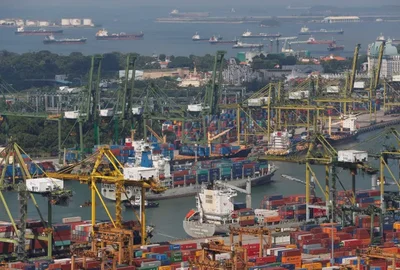
The Energy, Trade and Industry Ministry noted that Singapore's global trade surplus reflects an outward-oriented economy and a trusted trading hub, rather than unfair market protection or export subsidies.
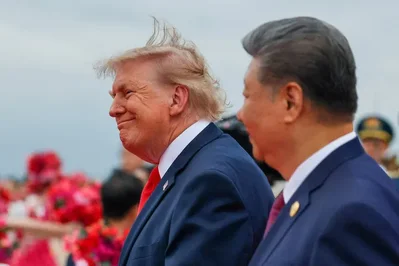
Officials emphasized that bilateral trade has operated smoothly under the current framework, noting that Prime Minister Lawrence Wong and US President Donald Trump held discussions at the ASEAN summit in Manila in November without any mention of new tariffs.
Negotiating Path Forward
Singaporean officials confirmed that formal negotiations on a new trade deal have not yet begun. The Ministry of Trade plans to press the USTR to reconsider the findings, which could adjust down to 10% if a reciprocal trade agreement is reached.
Singapore will continue to engage U.S. representatives constructively to explore ways to reduce the tariff rate before final implementation.
Singapore's ministry will pursue further talks with the USTR ahead of upcoming trade policy reviews scheduled for December 15.