Market Reaction and Policy Uncertainty
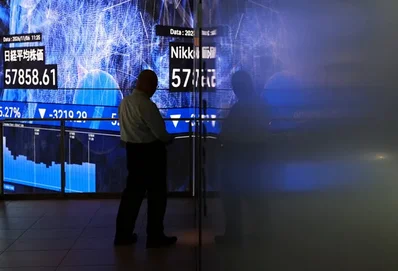
European equities dipped following the announcement, while bond yields remained lower and the dollar edged up against a basket of currencies on Wednesday morning. Andrzej Szczepaniak, senior European economist at Nomura in London, noted that markets had expected previous trade deals to hold.
The expectation yesterday was that previous deals would be honoured, and thus the previous US-EU deal of a 15% general ceiling would remain in place.
However, the proposed measures suggest the administration may lift the minimum tariff and raise the general ceiling across multiple goods, though analysts emphasize that key details remain unclear.
Inflation Outlook and Investor Focus
Lee Hardman, senior currency analyst at MUFG in London, argued that the move should have a limited impact on broader price pressures because the new duties replace existing rates.
The main market focus at the moment is on whats happening in AI-related investments, Hardman said on Wednesday afternoon, adding that the tariffs should not cause a major shift in the inflation outlook.
The administration is deploying alternative mechanisms to reinstate protectionist measures following previous legal challenges, testing global trade relationships.
Investors will be watching closely on November 26 to see whether the proposed tariff framework withstands initial legal and international scrutiny.