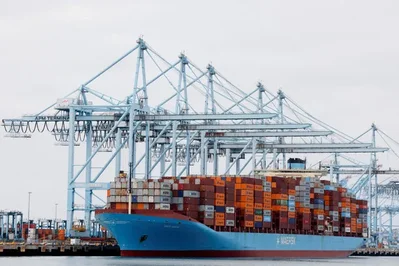
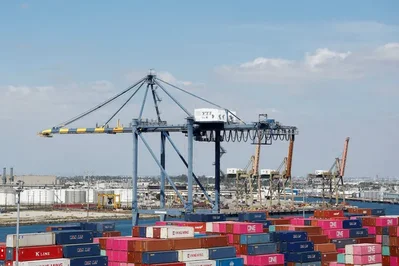
Global investors are recalibrating exposure to Asian export-heavy markets as trade friction intensifies. The renewed levies threaten profit margins for multinationals dependent on regional manufacturing hubs.
China and Japan Navigate Ceilings
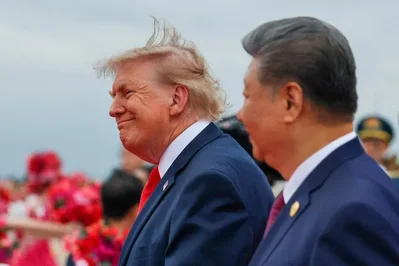
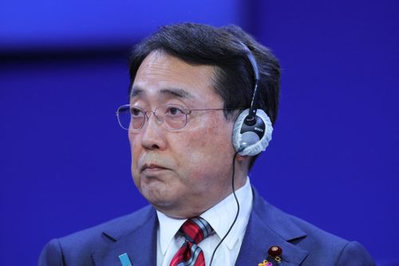
China faces a fragile truce set to expire on January 10, which limits US tariff hikes to 20 percentage points on top of 25% legacy levies. Washington retains the option to raise rates by an additional 20 points if the agreement collapses. Meanwhile, Japan faces a tariff rate of up to 15%, matching a ceiling agreed in prior talks tied to a $550 billion US investment commitment. Tokyo criticized the proposal on Thursday as the two sides clash over industrial capacity.
Regional Pacts and Southeast Asian Stalls
Taiwan maintains a 15% tariff rate under recent pacts securing preferential treatment for semiconductors, which comprise over 70% of its US exports. Taipei is investing $4.4 billion in an Alaska liquefied natural gas project tied to Natural Gas infrastructure. South Korea faces similar 15% levies tied to a $350 billion investment package, though Seoul remains hesitant on pipeline commitments due to commercial viability concerns.
In Southeast Asia, Vietnam aims for a December trade deal during a G20 summit in Florida to address its large trade surplus. India faces a proposed 25% tariff that could drop to 17% upon reaching a final deal, down from a previous 50% punitive rate. Thailand, Indonesia, Malaysia, Bangladesh, and Cambodia are navigating similar tariff threats ranging from 18% to 19% as bilateral talks continue.
The United States administration will review follow-up consultations and trade deal progress through the first quarter of 2027.