Higher trade barriers remain a permanent fixture of U.S. economic policy despite legislative pushback from Democrats who secured congressional majorities earlier this month. ING analysts noted that bipartisan support for protectionist measures in strategic sectors ensures the tariff wall will remain intact.
Tailored Levies and Exemptions
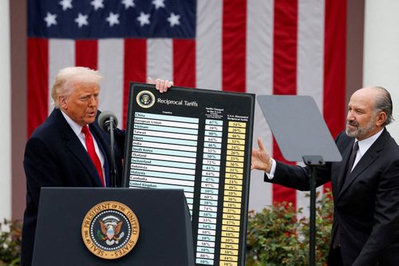
The upcoming duties will be specifically tailored to each country, with goods from Mexico and Norway expected to avoid immediate levies. The White House will honor capped rates agreed upon in finalized trade deals, including a 15% ceiling for the European Union, Japan, and South Korea, alongside 19% for Malaysia.
China remains the primary target of the administration's industrial capacity probe, which encompasses steel, aluminum, electric vehicles, and solar products. Beijing officials reiterated their opposition to trade wars on Wednesday, defending their export volumes as a reflection of legitimate competitive advantages.
Global Supply Chain Impact
The ongoing investigation also targets indirect manufacturing routes through Southeast Asia, where Chinese investments in nations such as Vietnam and Cambodia have sought to bypass prior U.S. duties. Trade officials have maintained focus on these transit hubs to close existing loopholes in the broader tariff framework.
The current U.S.-China trade truce remains active until January 10, with an extension anticipated during the upcoming G20 gathering in Miami. Officials from both nations continue discussions to adjust tariffs on $30 billion of non-strategic imports.
The U.S. and China will review trade truce terms at the G20 gathering in Miami on January 10.