
US Container Imports Decline 6.5 Percent in February
US container imports fell 6.5% in February to 2.09 million TEUs. New global tariffs and Middle East conflicts are now driving shipping costs and cargo delays.

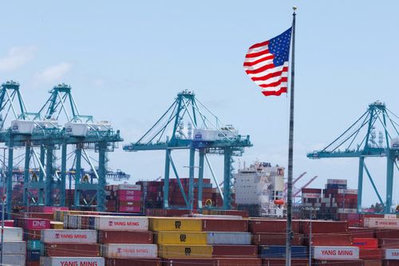
Container import volumes in the United States fell by 6.5% in February compared to the same period last year, according to data released by supply chain technology provider Descartes Systems Group. U.S. seaports handled 2,093,422 20-foot equivalent units (TEUs) last month, marking the fourth-highest February volume on record. This performance suggests a level of resilience in domestic demand despite a climate of significant economic and policy uncertainty.
The decline follows a period of typical post-winter holiday cooling, though volumes were likely supported by importers rushing to bring in goods ahead of potential new tariffs. Trade experts suggest that frontloading has become a common strategy as businesses navigate shifting trade barriers and the policies of Donald Trump.
\"This performance underscores the relative resilience of U.S. import demand even amid ongoing policy and economic uncertainty.\"
Imports from China reached 728,562 TEUs, representing a 16.5% year-over-year decrease. Despite this drop, China’s share of total U.S. container imports rose slightly to 34.8%. This relative increase in market share occurred as other major trading partners, including India, Thailand, and South Korea, experienced even more substantial declines in their export volumes to the U.S. market.
The regulatory environment remains in flux following a recent U.S. Supreme Court decision. On February 20, the court ruled in a 6-3 decision that the executive branch had overstepped its authority by using emergency powers to impose broad tariffs. In the wake of this ruling, the administration announced a new 10% global tariff on imports, with plans to elevate the rate to 15% for a duration of up to 150 days.
\"Trade conditions are increasingly being shaped by geopolitical escalation and policy shifts.\"
Geopolitical tensions are also weighing heavily on global shipping routes. Recent military actions involving Israel and Iran have disrupted the flow of oil through the Strait of Hormuz, causing a sharp rise in fuel costs. In response, major shipping lines like MSC have implemented emergency fuel surcharges and halted cargo operations at several Gulf ports. These logistical bottlenecks are expected to create ripple effects throughout global supply chains, while concerns persist regarding potential renewed attacks on commercial vessels in the Red Sea by Houthi militants.