
US Consumer Spending Rises Amid Higher Inflation Pressures
US consumer spending rose 0.4 percent in January as the Middle East conflict threatens to fuel inflation. The Federal Reserve is now set to delay rate cuts.

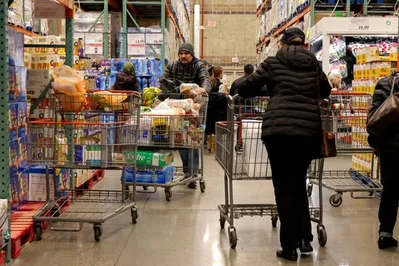
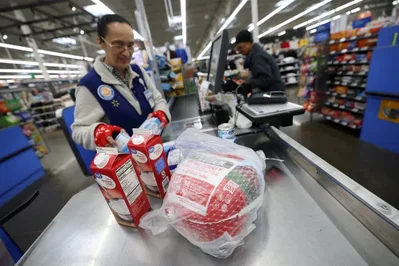
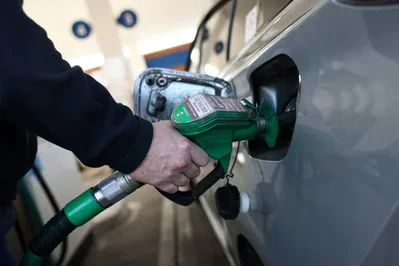
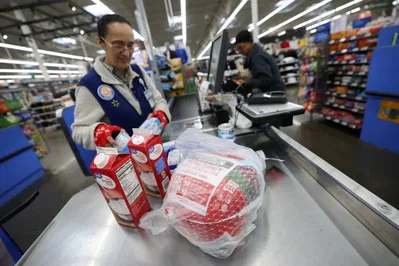
Consumer spending in the United States increased solidly in January, though rising prices and the ongoing conflict involving Iran are expected to sustain inflationary pressures. The Commerce Department reported that while nominal spending grew, the underlying economic momentum faced headwinds from revised GDP figures and stagnant business investment. These developments have shifted market expectations, with the Federal Reserve now anticipated to maintain current interest rates until at least September. Nominal consumer spending, representing more than two-thirds of U.S. economic activity, rose 0.4% in January. However, after adjusting for inflation, real spending saw a marginal increase of only 0.1%. Outlays were primarily driven by essential services such as healthcare and utilities, while discretionary spending on dining and lodging showed signs of household caution. Kathy Bostjancic, chief economist at Nationwide, highlighted the risks posed by rising energy costs and geopolitical instability. > "We now see a steep rise in inflation and weaker economic activity in the second quarter due to the spike in gasoline and energy prices, weaker exports as the rest of the world reels from the disruptions, and an erosion in business confidence." The conflict in the Middle East has significantly impacted energy markets, with Crude Oil (WTI) Futures reacting to supply concerns. Retail gasoline prices have climbed more than 21% to $3.63 per gallon since the start of the hostilities, according to AAA. While the surge in oil prices could eventually boost domestic drilling investment, the immediate effect has been a hit to consumer purchasing power, particularly for lower-income households. Inflation metrics remained elevated throughout the month. The Personal Consumption Expenditures (PCE) price index rose 0.3%, bringing the year-over-year core PCE inflation to 3.1%, the highest level since March 2024. Scott Anderson, chief U.S. economist at BMO Capital Markets, noted the challenges for the months ahead. > "Consumers will need to balance rising income tax refunds and rising gasoline prices and inflation rates in the months ahead to sustain their real spending growth." Additional data indicated that business spending is cooling, with core capital goods orders remaining unchanged in January. Michael Pearce, chief U.S. economist at Oxford Economics, suggested that the war would continue to push headline inflation higher through transport and energy costs. > "There will be some impact on core prices via higher airfares, and the broader cost-push effects from higher transport prices, but that is sensitive to how long the conflict and elevated energy prices persist." With GDP growth for the fourth quarter revised down to a 0.7% annualized rate, the Federal Reserve faces a complex policy environment. The central bank is widely expected to keep its benchmark interest rate between 3.50% and 3.75% during its next meeting, as it monitors the impact of global disruptions on the domestic economy.