US Inflation Likely Picked Up in February on Energy Costs
US consumer prices likely rose 0.3% in February as gas costs climbed. Analysts expect the Federal Reserve to keep rates steady at its meeting next week.

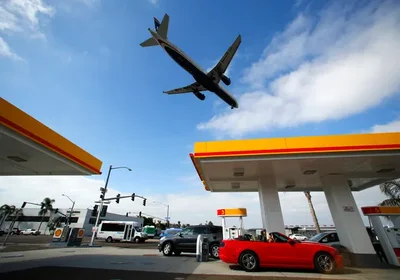
Consumer price growth in the United States likely accelerated during February, fueled by a surge in gasoline prices as geopolitical tensions intensified between Israel and Iran. While the Labor Department's upcoming report is expected to show a headline increase, underlying core inflation may remain moderate due to fluctuations in specific sectors like used vehicles and airfare. Economists surveyed by Reuters anticipate the Consumer Price Index (CPI) rose 0.3% last month, following a 0.2% gain in January. On an annual basis, the CPI is projected to have advanced 2.4%, maintaining the same pace seen in the previous month. Sarah House, a senior economist at Wells Fargo & Company, noted that the energy sector played a significant role in the month's figures. > The February CPI is likely to show that progress on lowering inflation is stalling out again. The rise in energy costs was already underway before the conflict escalated at the end of February, with gasoline prices climbing approximately 0.8% during the month. Since the start of the regional conflict, pump prices have surged more than 18%, reaching an average of $3.54 per gallon. Andy Schneider, a senior economist at BNP Paribas S.A., highlighted the immediate impact of these shifts. > The recent 15% move alone suggests a 0.15-0.30 percentage point lift to headline inflation depending on how the conflict evolves. Beyond energy, the report is expected to reflect the lingering effects of trade policies. Although the Supreme Court struck down certain emergency tariffs, the subsequent imposition of a 10% global tariff continues to influence domestic pricing. Stephen Stanley, chief economist at Banco Santander, S.A., observed that businesses are increasingly passing these costs to consumers. > The trouble is that there is evidence that input costs continue to escalate, even as the level of tariffs has mostly stabilized. Core CPI, which excludes volatile food and energy prices, is forecast to have increased by 0.2% in February. This would bring the 12-month core inflation rate to 2.5%. While some goods like apparel and home furnishings saw price hikes due to tariffs, these were partially offset by declines in used car prices and slower growth in rental costs. Despite the headline increase, the Federal Reserve is widely expected to maintain current interest rates at its upcoming meeting. However, some analysts warn that the broader Personal Consumption Expenditures (PCE) price index—the Fed's preferred inflation metric—could see upward pressure. Lou Crandall, chief economist at Wrightson ICAP, a division of TP ICAP Group PLC, pointed to technical factors that might influence future data. > Weighting differences and unexpected strength in PPI service prices are likely to produce a significantly larger increase in the broader consumption index. The persistence of high input costs and the potential for a sustained oil price shock remain key risks for the inflation outlook. If energy prices remain elevated, the resulting increase in transportation and fertilizer costs could eventually drive food prices higher later this year.