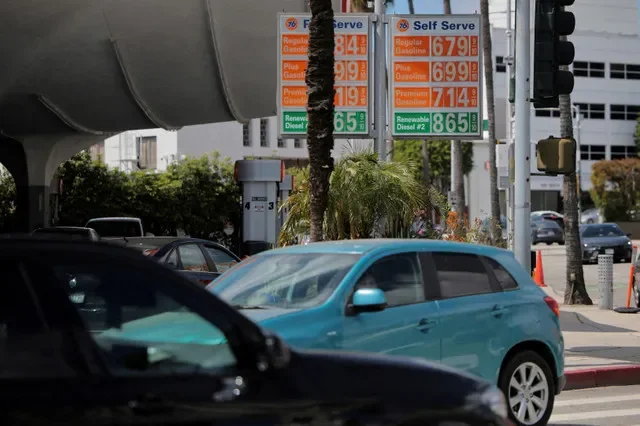
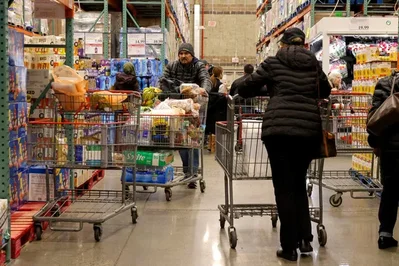
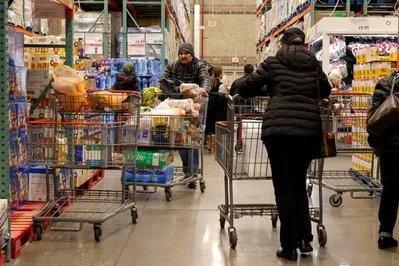
Data from the Labor Department confirmed that headline inflation in March rose at its fastest pace since June 2022. This economic pressure has directly impacted household sentiment, with the University of Michigan’s Consumer Sentiment Index falling to its lowest level on record. Survey Director Joanne Hsu noted that the decline was observed across all demographic and political groups.
Demographic groups across age, income, and political party all posted setbacks in sentiment, as did every component of the index, reflecting the widespread nature of this month’s fall.
The decline in confidence is particularly sharp among self-identified Republicans, whose sentiment scores have dropped to levels not seen since Trump’s return to office in January 2025. This shift suggests that the promises to lower prices, which were central to his campaign, are being undermined by current market conditions.
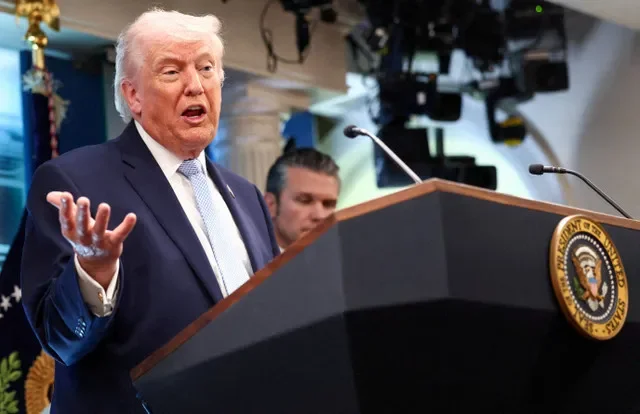
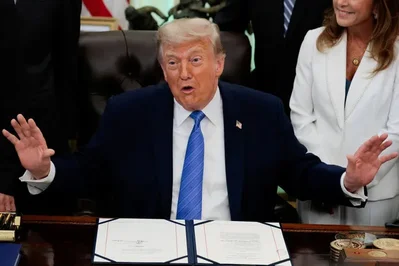
Within the administration, Chief of Staff Susie Wiles has reportedly urged a more direct focus on the economic consequences of the war. Despite these internal warnings, the President has frequently declared victory over inflation, even as official data suggests otherwise. White House spokesman Kush Desai recently addressed the situation on social media, emphasizing that the administration is working to mitigate the effects of the military operation.
President Trump has always been clear about short-term disruptions as a result of Operation Epic Fury, disruptions that the administration has been diligently working to mitigate.
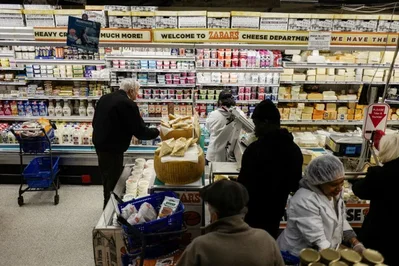
While the administration points to stable or falling prices for certain household essentials, such as eggs and dairy, economists remain concerned about energy costs. High diesel prices are currently putting pressure on the logistics and agricultural sectors. Without a resolution to the maritime standoff in the Middle East, these energy inputs could trigger a broader inflationary breakout, further straining the budgets of American households ahead of the November midterm elections.