US Grants 30-Day Waiver for Russian Oil to Calm Markets
The US Treasury issued a 30-day waiver for sanctioned Russian oil to stabilize markets during the Iran war. European allies criticized the move on Friday.

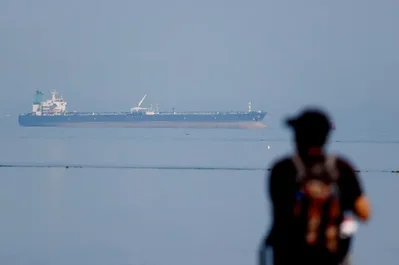
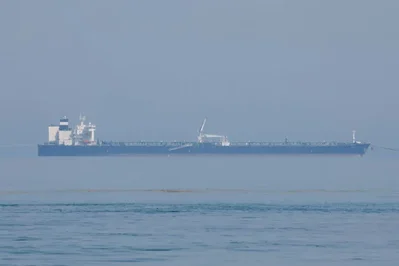
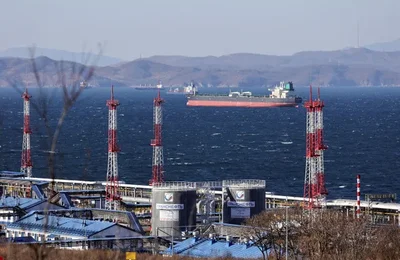
The United States has implemented a 30-day waiver allowing for the purchase of Russia oil and petroleum products currently stranded at sea. This move, intended to stabilize global energy markets, has drawn criticism from Germany and other European allies who remain committed to depriving Moscow of war revenue. U.S. Treasury Secretary Scott Bessent stated that the waiver is an effort to calm markets roiled by the conflict involving Iran, though the decision risks complicating efforts to restrict Moscow's energy revenues during the ongoing war in Ukraine. Oil prices saw a slight decline in Asian markets following the announcement, which affects an estimated 100 million barrels of crude—nearly equivalent to a full day of global production. German Chancellor Friedrich Merz, speaking from Norway, argued that any easing of sanctions was the wrong signal, noting that while prices are high, there is currently no shortage of supply. > "Again, we believe this is wrong." The sentiment was echoed by leaders in France and the European Commission, who argued against easing energy sanctions. Conversely, the Kremlin welcomed the U.S. decision. Spokesman Dmitry Peskov noted that market stabilization is impossible without significant volumes of Russian oil. > "In this respect, our interests coincide." The United Kingdom has maintained its firm stance, with officials stating they will not loosen sanctions during this critical phase of the conflict in Ukraine. The geopolitical tension is further exacerbated by the ongoing aerial war between the U.S. and Israel against Iranian targets, which has paralyzed shipping through the vital Strait of Hormuz. Data from analytics firm Vortexa shows that approximately 7.3 million barrels of Russian-originated oil have been in floating storage, while 148.6 million barrels remain in vessels in transit. While the waiver allows these barrels to reach their destinations, market analysts suggest most are already headed for India. Following the Treasury's announcement, Thailand expressed readiness to negotiate for Russian crude, and Japan indicated it would evaluate its position. The shifting trade landscape also impacts the broader maritime sector, including firms like Akasaka Diesels Limited, as shipping routes and fuel demands adjust to the new regulatory environment. The license remains valid until April 11 for vessels loaded on or before March 12. This policy shift follows high-level discussions between U.S. officials and Russian representatives, reflecting concerns in Washington over the impact of rising energy costs on the domestic economy ahead of the upcoming midterm elections.