
Iran War Fertiliser Shortages Threaten Developing Nations
The ITC warns that fertiliser shortages from the Iran war threaten food security. A UN plan seeks safe passage for shipments through the Strait of Hormuz.

The International Trade Centre (ITC) has warned that fertiliser shortages resulting from the conflict involving Iran are a critical concern for the developing world. While rising energy costs are a significant factor, the agency emphasizes that the disruption of agricultural inputs poses a more immediate threat to global food security and stability. Pamela Coke-Hamilton, executive director of the ITC, noted that while energy can often be sourced from alternative locations, the timeline for agricultural cycles makes fertiliser availability a more pressing issue.
The more immediate issue is fertiliser, because that then affects food security and food security is always the basis for stability.
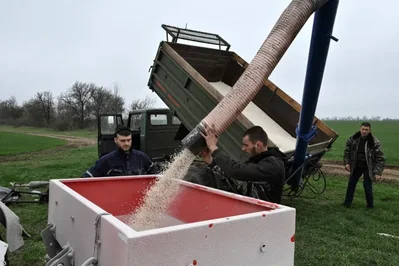
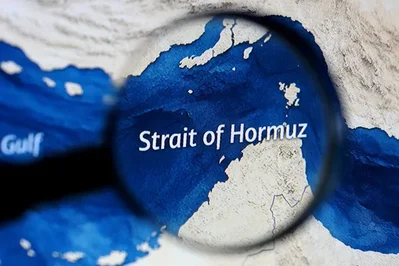
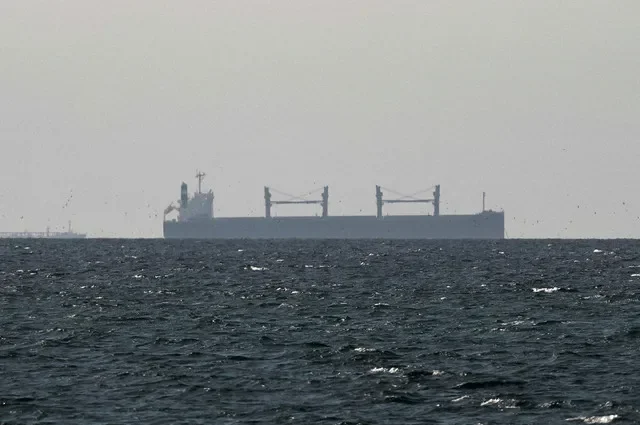
The current geopolitical situation has led to a blockade of the Strait of Hormuz by Iran and the United States, a vital artery where one-third of the world’s urea typically passes. The ITC reports that the window to secure sufficient fertiliser for the upcoming harvest is closing, which could lead to long-term agricultural deficits. In response, a United Nations-led diplomatic effort is currently underway to establish safe passage for these critical shipments through the strait.
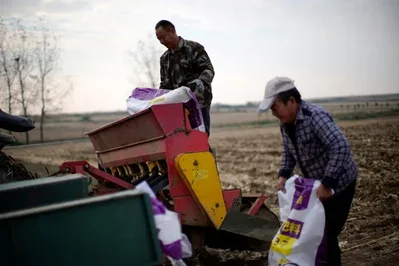
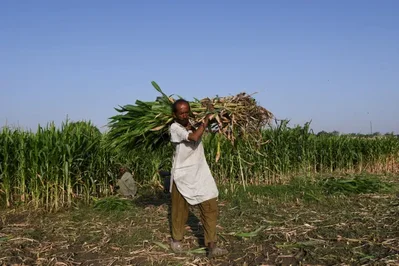
Dependence on nitrogen fertilisers from Gulf producers is particularly high in several Asian and African nations. Countries such as Kenya, Uganda, South Africa, Thailand, and Sri Lanka are among those most at risk. In regions like Sub-Saharan Africa and South Asia, where farming is highly dependent on seasonal rains and narrow planting windows, these shortages are expected to result in significantly lower crop yields.
To address the shortfall, the ITC identifies potential alternative suppliers in North Africa. Egypt holds an estimated $1.6 billion in untapped export potential, while Algeria could contribute an additional $1.3 billion to the global market.
While the conflict has impacted the prices of Brent Crude Oil and Natural Gas, the ITC suggests that any revenue gains for developing producers will be short-lived. Nations including Nigeria, Kazakhstan, Brazil, Angola, and Libya may see higher oil income, yet most remain net importers of refined products, which limits the net benefit. Similarly, while increased gas prices might aid Malaysia, Turkmenistan, and Azerbaijan, the capacity to expand supply remains constrained in the near term.