Trump Regulators to Unveil New Basel Bank Capital Rules
The Fed will soon vote on a new draft of the Basel Endgame rules. This version aims to modestly reduce capital requirements for many lenders to capture risks.

Bank regulators in the United States are set to introduce a revised draft of the Basel III Endgame capital rules this month. This new proposal aims to overhaul how major financial institutions evaluate risk and determine the amount of capital necessary to offset potential losses. The move comes after the initial 2023 draft, introduced under the Biden administration, faced significant opposition from the banking industry.

The Global Framework and Domestic Implementation
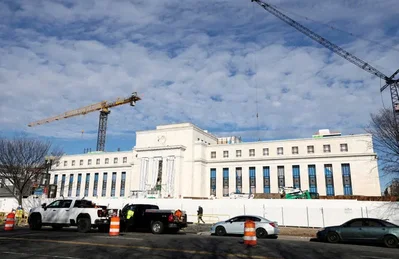
The Basel Committee on Banking Supervision, which operates out of Switzerland under the Bank for International Settlements, established the Basel III standards following the 2007-09 global financial crisis. The endgame represents the final stage of these international standards, intended to harmonize capital requirements globally. In the United States, the implementation is being led by the Federal Reserve, the Federal Deposit Insurance Corporation, and the Office of the Comptroller of the Currency.
The Shift in Regulatory Strategy
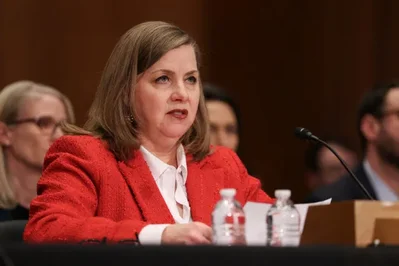
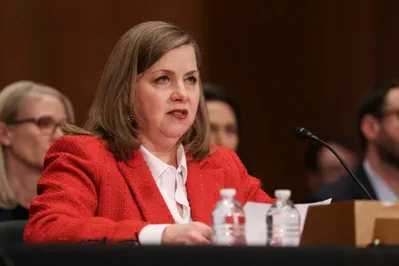
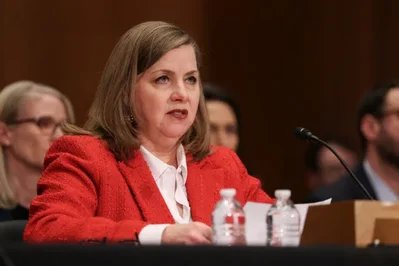
The original proposal led by former Vice Chair Michael Barr suggested a 16% increase in capital requirements, which Wall Street banks argued could reach 20%. In response, the industry launched an extensive lobbying effort, suggesting the rules would impede lending and damage the broader economy. Under the current Trump administration, regulators have moved toward a draft that Federal Reserve Vice Chair for Supervision Michelle Bowman described as more balanced.
The new draft, combined with changes to other capital rules, will modestly reduce capital requirements for many lenders.

Impact on Large and Small Institutions
The revised proposal focuses on credit, market, and operational risks. It aims to right-size requirements to better capture risk while minimizing regulatory overlap. For instance, the changes would provide relief for mortgage lending and create a standardized risk measurement for smaller banks to encourage lending activities. While the largest and riskiest banks may still see slight capital increases under Basel, adjustments to the GSIB surcharge—a buffer for globally systemic banks—could result in a small net decrease in capital requirements for the biggest firms.

Perspectives and Future Steps
Critics of the new draft warn that reducing capital buffers could weaken the financial system, especially as markets face volatility from private credit conditions and geopolitical tensions involving Iran. Senator Elizabeth Warren has been vocal about the risks associated with these changes.
The changes put the economy at risk.
Conversely, research by Stephen Cecchetti of the Brandeis International Business School has indicated that higher capital requirements do not necessarily lead to reduced lending. The Federal Reserve is expected to vote on the new proposals shortly, followed by a public comment period. While regulators intend to move swiftly, the complexity of the rules suggests that finalizing the draft will be a multi-month process.