New Draft Rules Set to Lower Capital for Major US Banks
US regulators will release softened bank capital rules this week. The proposal marks a shift for the industry and may not be finalized until early 2027.

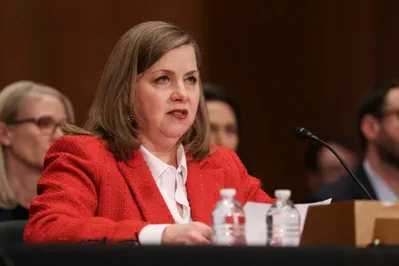
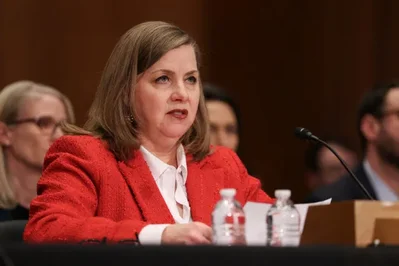
Major financial institutions in the United States are poised to secure a significant regulatory victory as federal officials prepare to unveil softened capital requirements. Federal Reserve Vice Chair for Supervision Michelle Bowman indicated that the new draft, expected this week, will slightly reduce capital requirements for large lenders. This represents a major reversal from a 2023 proposal that suggested double-digit increases.
The upcoming revisions to the Basel and GSIB surcharge rules will change how banks calculate the capital they must hold against potential losses. The banking industry has long argued that the strict rules implemented after the 2008 financial crisis have hindered economic activity. However, critics of the new plan suggest that easing these requirements could weaken the financial system at a time when private credit and geopolitical risks are rising.
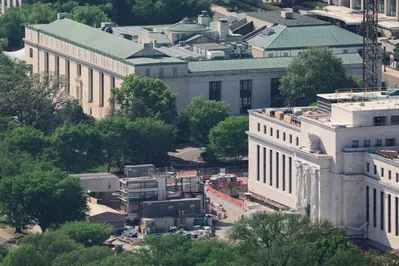
Big bank capital requirements will fall slightly under proposals federal regulators will release on Thursday.
While the industry is nearing a win, the finalization of these rules could take significant time. Analysts at Truist Financial Corporation noted that the proposal might not be finalized until early 2027. The complexity of the documents is a primary factor in the delay, as lenders and regulators must navigate thousands of pages of technical details. Ian Katz, managing director at Capital Alpha Partners, emphasized the scale of the task.
There’s just going to be so much to go over, and some of it is highly technical.
The new Basel draft reportedly removes several provisions that were heavily criticized by the industry, such as the requirement for banks to use the more punitive of two risk-measurement methods. It is also expected to be more lenient regarding operational risk requirements for fee-based businesses like credit cards.
The adjustments to the GSIB surcharge are expected to impact the eight most systemic banks in the country. Firms that could see changes in their capital obligations include JPMorgan Chase & Co., Bank of America Corporation, Citigroup Inc., The Goldman Sachs Group, Inc., and Morgan Stanley. Brian Gardner, chief Washington policy strategist at Stifel Financial Corp., pointed out that the impact will vary significantly across the industry.
Not all large banks are the same.
Political challenges also loom. The Federal Reserve board must vote on the final version, and Democratic members may oppose the rules if they believe the safeguards are insufficient. Furthermore, the final rule will require a review by the White House Budget Office and must align with the views of the incoming Fed leadership. Despite these hurdles, some experts believe that the alignment between regulators and the industry will make it easier to reach a final agreement.