Fed Official Proposes Cut to Bank Capital Requirements
Fed official Michelle Bowman announced revised rules that will slightly lower capital requirements for large banks. The plan aims to support bank lending.

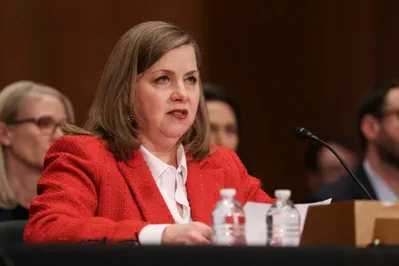
Federal Reserve Vice Chair for Supervision Michelle Bowman announced on Thursday that capital requirements for large banks in the United States will decrease slightly under revised regulatory drafts. This shift represents a significant victory for major lenders who previously faced substantial capital hikes under earlier proposals. Speaking at the Cato Institute in Washington, Bowman outlined revisions to the Basel rules and the Global Systemically Important Bank (GSIB) surcharge, which determine the amount of loss-absorbing capital banks must maintain. Bowman stated that the changes are intended to eliminate regulatory overlap and calibrate requirements to better match actual risks. She argued that the steady increase in capital mandates in recent years has been misguided. > "In aggregate, the changes will lower large bank capital requirements by a small amount via a sensible recalibration of existing rules." According to her prepared remarks, Bowman emphasized that excessive mandates can have a negative impact on the broader economy. > "When capital requirements become excessive, they impair the banking system’s fundamental function of providing credit to the real economy." The overhaul marks the end of a multi-year campaign by Wall Street banks to ease regulations introduced following the 2007-09 financial crisis. A research note from Morgan Stanley this week highlighted that large banks currently hold over $175 billion in excess capital. Clarity regarding these rules could allow these institutions to deploy that capital through increased lending and share buybacks. This outcome is a dramatic reversal from the 2023 proposal unveiled by Bowman's predecessor, Michael Barr, which had initially called for a 19% increase in capital requirements. That proposal triggered significant industry pushback. Bowman noted that if the current revisions are adopted, bank capital levels would return to 2019 levels. Both sets of rules remain subject to industry feedback, and the timeline for finalization is currently unclear.