
Nigeria Fuel Prices Hit Record Highs Despite New Refinery
Nigerian fuel prices hit record highs this month as global oil costs rose. The new Dangote refinery is unable to lower costs due to high crude import needs.

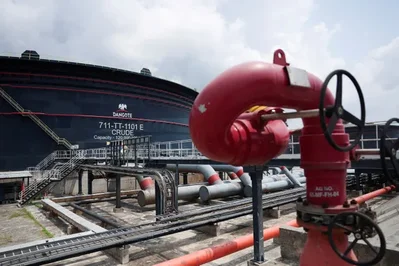
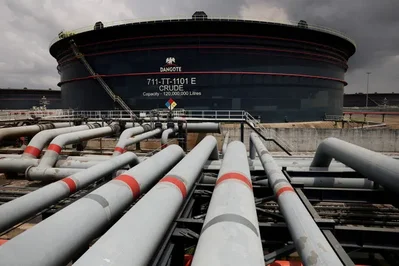
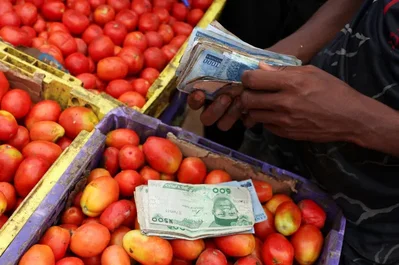
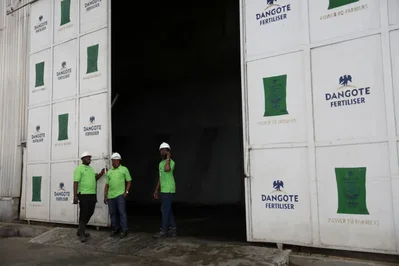
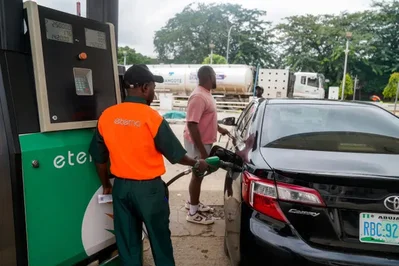
Fuel prices in Nigeria have surged to record levels despite the full operation of the 650,000 barrels-per-day Dangote Petroleum Refinery. While the facility was intended to end decades of fuel shortages and transform the nation into a major exporter, its impact has been severely limited by global energy volatility driven by conflict in the Middle East. The removal of government subsidies by President Bola Tinubu in 2023 has left consumers exposed to a 65% price spike, the most significant increase among major African economies. This surge occurs as the refinery is forced to import expensive crude from abroad because domestic supply is constrained by existing debt obligations. The state-owned Nigerian National Petroleum Company Limited has much of its joint-venture production tied to oil-backed loans and pre-export deals, leaving an estimated 400,000 barrels per day committed to international banks, traders, and oil majors. David Bird, managing director at Dangote, highlighted the supply shortfall in a local television interview. > "The company can only source about five crude cargoes a month locally, far short of the 13–15 required." This reliance on international markets has coincided with unprecedented supply disruptions following attacks by the United States and Israel on Iran. The effective closure of the Strait of Hormuz for commercial shipping has pushed the price of Brent Crude Oil well above $100 per barrel, a 50% increase from pre-war levels. The lack of a strategic fuel reserve has further exacerbated the situation. Mikolaj Judson, an analyst at Control Risks, noted that such a reserve could have provided a buffer against inflationary shocks. > "A strategic reserve would have shielded Nigeria somewhat from the inflationary effects of price spikes and keep refineries supplied during prolonged disruptions." While Nigeria faces a 65% increase in pump prices, other nations in the region have seen more moderate changes due to varying levels of government control. In Ghana, prices rose between 10% and 17% in March, while Kenya maintained steady prices through controls. South Africa recorded a marginal increase of approximately 1%. The economic consequences in Nigeria are widespread. Inflation, which had recently begun to stabilize, has been reignited as transport and food costs double. Salau Sodiq, a frozen-food vendor in Lagos, described the mounting pressure on small businesses. > "The prices of fish and chicken have doubled, customers are complaining, sales are falling, and it’s becoming harder for us to buy the volumes we need." In response to the crisis, Aliko Dangote, president of Dangote Group, met with President Tinubu to discuss the regional economic threat. > "The conflict in the Middle East would worsen economic hardship across Africa unless it was urgently resolved." While some regional governments have introduced temporary transportation allowances for workers, the federal government remains committed to market-driven pricing. Finance Minister Wale Edun emphasized that the administration would prioritize adaptation over market intervention. > "The government will not interfere with an orderly market pricing system, preferring instead to focus on ways of helping people to adapt."