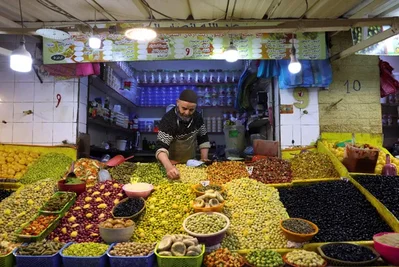
Nigeria inflation hits 15.38 percent ending year of decline
Nigeria's annual inflation rate rose to 15.38% in March, marking the first increase in a year. Higher fuel costs and food prices drove the headline figure up.

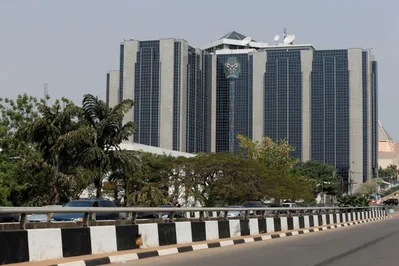
Annual inflation in Nigeria accelerated for the first time in a year this March, ending an 11-month streak of declining price growth. Data released by the National Bureau of Statistics on Wednesday showed headline consumer inflation rose to 15.38% year-on-year, up from 15.06% in February.
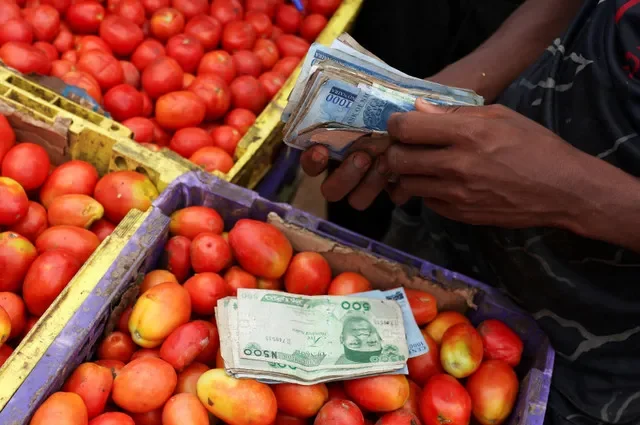
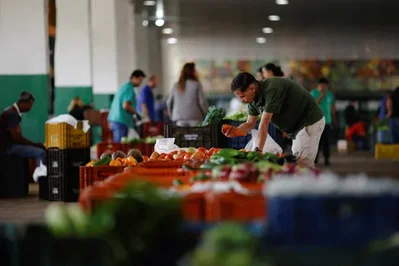
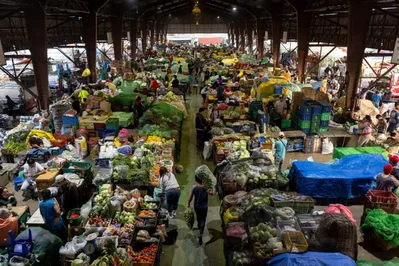
Food inflation, typically the primary driver of the headline rate, climbed to 14.31% in March compared to 12.12% in the preceding month. This resurgence in price pressure follows a period of relative stability achieved through tight monetary policy, exchange rate management, and consistent food supply.
The reversal comes as the finance minister warned of mounting economic pressures linked to international conflict. The war involving Iran has triggered a sharp rise in domestic fuel costs, complicating efforts to maintain the previous downward inflationary trend.
This development poses a significant political challenge for the government of President Bola Tinubu. With national elections scheduled for January next year, the administration must navigate these renewed economic headwinds while addressing the immediate impact of rising living costs on the population.