
Mark Carney Cuts Fuel Tax Following New Liberal Majority
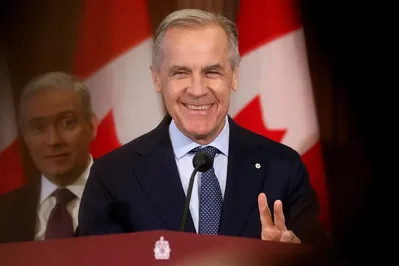
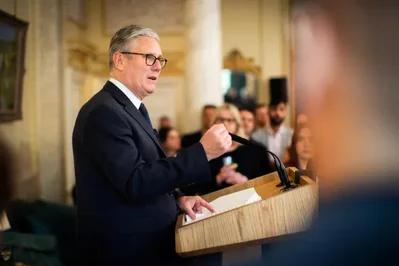
Prime Minister Mark Carney suspended the fuel tax on Tuesday after his party secured a majority. The move aims to lower living costs and boost economic independence.

Prime Minister Mark Carney has committed to prioritizing the cost of living and housing affordability in Canada after his Liberal Party secured a new parliamentary majority. This political shift follows a series of special election victories and recent defections from opposition ranks, granting the government greater legislative freedom to navigate global economic and political uncertainties.
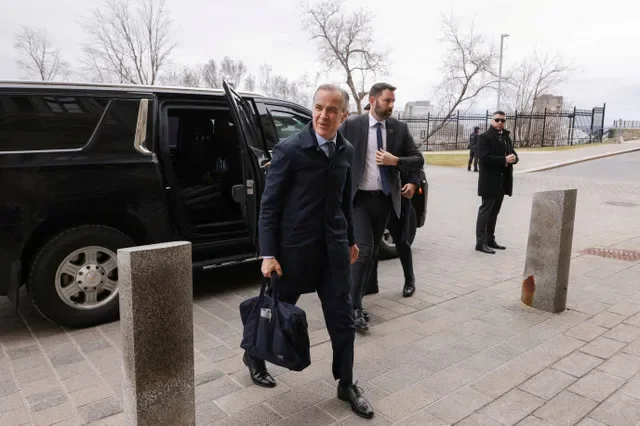
The newly solidified majority, the first for the Liberals since 2019, is intended to support an agenda of economic independence and infrastructure development. Carney highlighted the need for the nation to become more self-reliant amidst a volatile international landscape, specifically referencing the influence of the United States and ongoing conflicts in the Middle East.
"We have to change fundamentally our economy to be stronger, more independent, more prosperous."
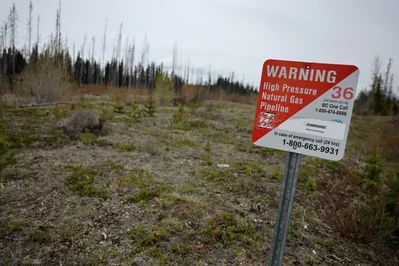
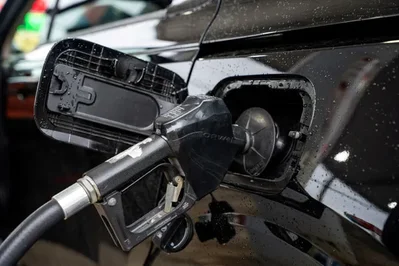
As an immediate measure to provide relief to households, the Prime Minister announced a temporary suspension of the federal fuel tax. This policy change is designed to reduce the retail price of WT GASOLINE by 10 cents per litre, while the cost of GASOIL DIESEL ETC VON BNPP will see a reduction of 4 cents per litre. Carney emphasized that the administration remains focused on making daily life more affordable for the public.
"Canada's new government has been relentlessly focused on making life more affordable for Canadians."
The Liberal Party now holds 174 seats in the 343-seat House of Commons. Despite the expanded control, Conservative leader Pierre Poilievre has challenged the legitimacy of the majority, characterizing the shift as the result of political maneuvering rather than a general mandate.
"The Carney Liberals did not win a majority government through a general election or today's by-elections; instead, it was won through backroom deals with politicians who betrayed the people who voted for them."
In response, Carney defended the parliamentary process, noting that representatives are elected locally by their constituents. Elizabeth McCallion, an assistant professor of political science at the University of Toronto, observed that the government's adoption of fuel tax cuts—a policy recently advocated by the opposition—complicates the ability of rival parties to maintain an adversarial stance. This alignment suggests a strategic move to neutralize primary points of political contention as the government begins its new term.