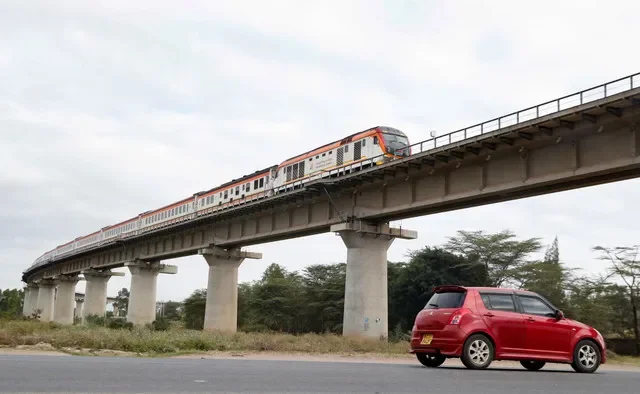
Under the new financing arrangement, the Kenyan government has modified legislation to allow the use of a railway development levy as seed money for construction. This levy, collected from cargo transported on the existing rail line, is estimated to generate approximately 35 billion shillings ($270.27 million). This approach allows the state to fund infrastructure without increasing its sovereign debt, which has become a sensitive issue following widespread protests over tax increases in 2024.
Following the heavy propaganda in regard to the debt burden, particularly from the West, China and Africa discussed a new model based on investments to sustain the level of building infrastructure.
International relations expert Peter Kagwanja explained that this model aligns with discussions held at a 2024 summit in Beijing, where African leaders and Chinese officials agreed to prioritize investments over debt. While the funding structure has changed, the China Road and Bridge Corporation remains the primary contractor for the extension. This follows a broader trend where Beijing has pledged $50 billion in credit and investments to the continent over the next three years.
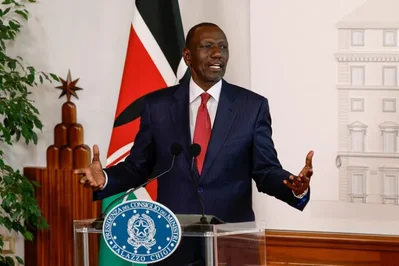
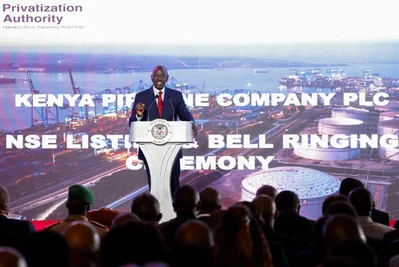
President William Ruto is scheduled to launch the construction at a ceremony in the Rift Valley. The move is part of a broader strategy by the Ruto administration to securitize revenue streams for infrastructure, as debt repayments currently consume a significant portion of the country's annual revenue. The project revival is seen as a critical step in maintaining Kenya's infrastructure momentum while navigating a restrictive fiscal environment.