Gas shortages threaten Indian auto production growth
Indian carmakers face production risks as Middle East conflict disrupts gas supplies. S&P Global lowered growth forecasts as energy shortages hit factories.

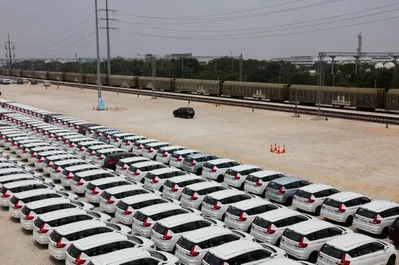
The automotive industry in India is facing a significant threat as the escalating conflict between Iran and Israel disrupts natural gas supplies, straining the supply chains of the world's third-largest car market. Automakers and parts suppliers are preparing for production slowdowns and assembly-line interruptions as fuel availability tightens. Leading manufacturers, including Maruti Suzuki India Limited, TATA MOTORS LTD, and Mahindra & Mahindra Limited, are monitoring the situation closely. Some parts suppliers have already reported gas shortages necessary for powering operations, signaling emerging bottlenecks. This disruption arrives as domestic demand reaches record highs, with sales projected to exceed 4.5 million units in the current fiscal year ending March 31.
\"At this point in time it is about survival.\"
\"First and foremost we need to ensure production continues.\"
\"The buffer stocks will not last long,\" said a senior executive with a leading carmaker.
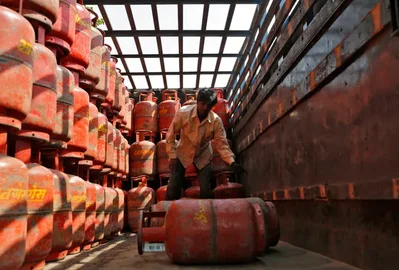
The nation relies heavily on Middle Eastern energy, importing half of its natural gas requirements, primarily from Qatar. Following recent attacks, refinery operations in the region have been hampered, and shipments through the Strait of Hormuz have declined. While the government explores alternative supplies from the United States, Norway, and Russia, priority for gas distribution has been given to residential use over industrial factories. In the automotive sector, natural gas is essential for high-heat processes such as casting, forging, and paint shop operations.
Small and medium-sized units are particularly vulnerable due to their inability to quickly switch fuel sources. KIRLOSKAR FERROUS INDUS LTD recently informed stock exchanges that it has halted some production at a factory in Western India. Similarly, the metal producer Hindalco Industries Limited has declared force majeure for some customers, citing potential gas-related disruptions. Despite the pressure, major automakers have not yet officially revised their production schedules. Rahul Bharti, a senior executive at Maruti, noted that while there are challenges in energy supply for in-house and supplier operations, current activities remain on plan. Mahindra stated that it has not lost production this month, while Tata Motors described its operations as near normal while working with suppliers to ensure continuity.
The geopolitical instability has prompted S&P Global Inc. to lower its production outlook for the region. The firm now forecasts a 6.3% growth in light vehicle production for 2026, a decrease from the previously projected 7.4%. Gaurav Vangaal of S&P suggested that further revisions might be necessary depending on the duration of the conflict.