Middle East War May Hit Indian Auto Production and Costs
India's auto industry body warned that the Middle East conflict may disrupt supply chains. Car sales grew 7.9 percent in fiscal 2026 following recent tax cuts.

The automotive sector in India is bracing for potential disruptions as regional tensions involving Iran threaten to destabilize global supply chains. The Society of Indian Automobile Manufacturers (SIAM) has highlighted several risks, including rising input costs and logistical hurdles stemming from the ongoing West Asia conflict.
Shailesh Chandra, the president of SIAM, noted that the industry faces immediate pressure from the geopolitical situation.
The West Asia conflict is expected to pose short-term challenges for the auto industry.
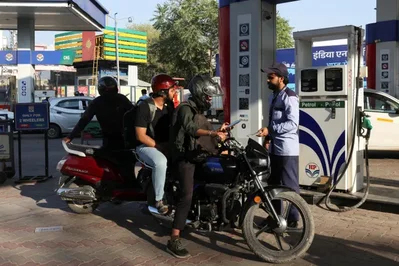
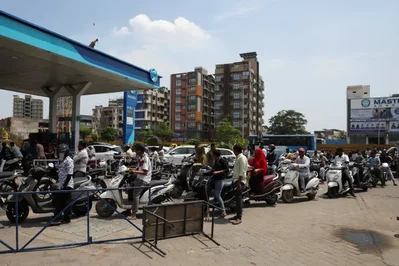
Industry leaders are particularly concerned about the volatility in the price of Brent Crude Oil and other essential commodities. These fluctuations, combined with higher exchange rates and shipping delays, could impact the cost of production and the final price for consumers. Analysts from Antique Stock Broking suggested that the conflict might also dampen export volumes in the near term, emphasizing the necessity for manufacturers to diversify their energy inputs and stabilize supply chains.
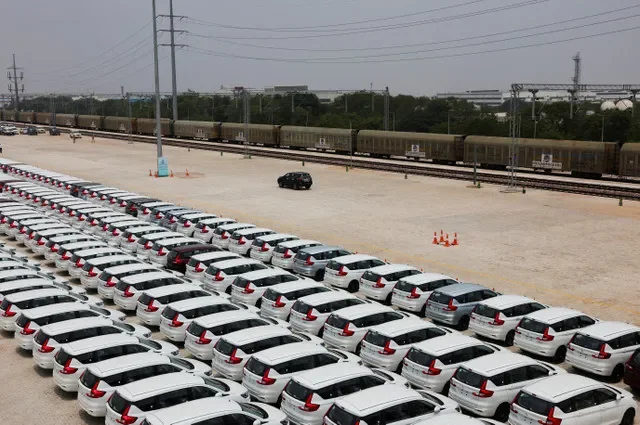
Despite these looming challenges, the Indian market has shown resilience over the past year. Data indicates that car sales from manufacturers to dealers grew by 7.9% to reach 4.6 million units in the 2026 financial year. This represents a significant acceleration compared to the 2% growth recorded in the previous fiscal period. This surge in momentum was largely attributed to improved consumer sentiment following significant tax reductions.
In September 2025, the government implemented tax cuts that lowered the levy on large SUVs to 40%. Additionally, taxes on small cars and two-wheelers were reduced from 28% to 18%. These policy changes helped stimulate demand across various segments, with domestic two-wheeler sales rising by 10.7% year-on-year. However, the entry-level segment is currently experiencing a bottleneck. While buyer inquiries remain robust as of April, the time required to convert these leads into finalized sales has lengthened.