Countering Demographic Pressures
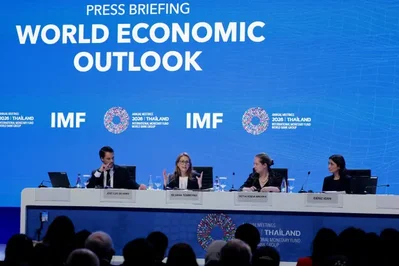
Speaking on Monday in Bangkok, IMF Managing Director Kristalina Georgieva said AI, demography, and economic integration are the three primary transformations reshaping the region. Findings presented by the fund indicate that nations such as China, Japan, and South Korea face losing nearly 25% of their working-age populations between now and 2050.
AI is projected to lift up growth in advanced Asia, where the ageing populations are, somewhere between half a percentage and one percentage point... and what is amazing is that if the countries capture productivity and this growth, they will more than offset the demographic pressure.
Georgieva noted that productivity gains from AI adoption can completely neutralize these demographic headwinds.
Bridging the Divergence Gap
Krishna Srinivasan, director of the IMF's Asia and Pacific department, warned that policymakers must address the risk of a widening technological divide across the region. Advanced economies remain better positioned to capture upside gains, while emerging markets face lower exposure and fewer resources to scale deployment.
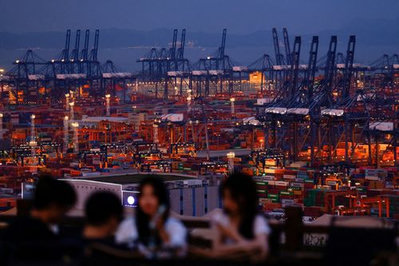
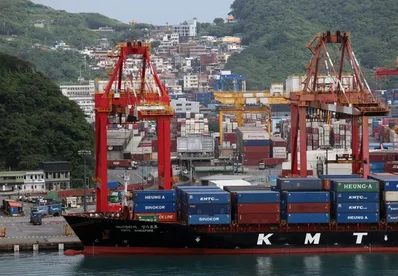
Reforms focused on raising workforce skills and productivity can accelerate adoption timelines by a decade or more. Separately, deeper regional trade agreements and reduced non-tariff barriers could lift Asia's GDP by 1.8% over the long run.
The IMF will release further regional economic outlook updates during the World Bank annual meetings on October 15.