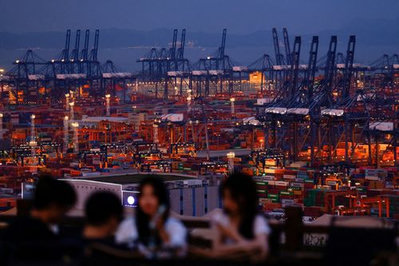
Global trade expanded 8.3% between 2023 and 2025, driven by strong demand for artificial intelligence that benefited China and India.


The IMF reported that strong AI demand significantly boosted global trade growth between 2023 and 2025. However, officials warned that concentrated supply chains and high debt levels present ongoing economic risks.
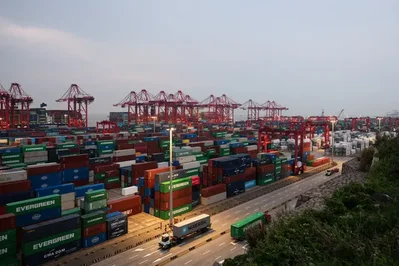
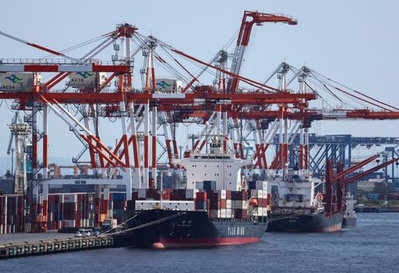
Global trade expanded 8.3% between 2023 and 2025, driven by strong demand for artificial intelligence that benefited China and India.
The growth outpaced overall global trade, largely fueled by a 29% surge in AI-related trade over the period. Without the AI sector's contribution, overall global trade growth would have reached only 4.6%.
The expansion highlights growing reliance on specialized technology supply chains, raising concerns over potential chokepoints and financial stability risks.
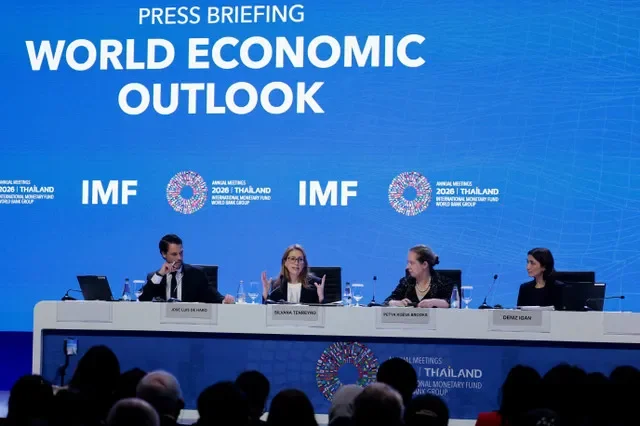
Speaking on Tuesday in Bangkok, IMF chief economist Silvana Tenreyro urged governments to begin cutting budgets to reduce high debt deficits. Central bankers should maintain restrictive monetary policies, including higher interest rates, to anchor inflation expectations back to target levels, she said.
While investment in artificial intelligence has acted as a primary engine for macroeconomic expansion, the underlying supply chains remain highly concentrated across a small group of nations and industrial sectors.
The baseline forecast assumes the current artificial intelligence investment cycle will gradually dissipate. However, persistent spending without corresponding productivity gains could heighten inflationary pressures and trigger a sharp reassessment of profitability.
The AI-related boom in investment and trade has been a key driver of global growth, but AI supply chains are highly concentrated in a few countries and sectors.
The IMF is currently updating its research regarding automation impacts on employment while monitoring cybersecurity vulnerabilities and asset valuation corrections.
The IMF will release updated regional economic forecasts on October 20.

Everything you use on the web — faster, and in your pocket.