Global Growth Tied to Fragile AI Boom
The latest World Economic Outlook report projects 3.4% growth for 2027, conditional on the Strait of Hormuz reopening by March and shipping normalizing by October 2027. A prolonged conflict keeping oil prices above $130 through the first quarter of 2027 would slash next year's growth by 0.5 percentage points. IMF Managing Director Kristalina Georgieva warned that the global economy is standing on one leg fueled by AI infrastructure.
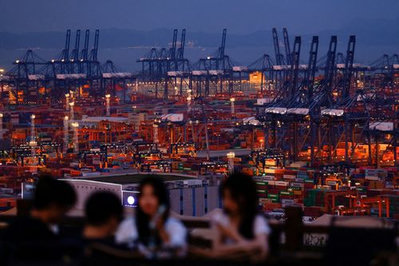
In a downside scenario, a steep drop in AI investment would cut global GDP by 1.1% by 2028, including a 1.8% drop in output for the United States. Trade in AI goods surged 29% between 2023 and 2025, driving overall trade expansion that would otherwise have stalled at 4.6%.
Debt Burdens Weigh on Developing and Advanced Nations
Delegates at the annual meetings in Bangkok highlighted mounting sovereign debt and rising bond yields driven by war-related inflation. Nigerian Finance Minister Taiwo Oyedele, chairing the Group of 24 developing nations, said developing countries are paying $500 billion more for debt than developed peers while facing growing deficits.
Major advanced economies are moving in the opposite direction of necessary fiscal consolidation, according to Atlantic Council vice president Josh Lipsky. The United Kingdom won praise for outlining borrowing reductions, while France, Germany, and the U.S. face mounting pressure to rein in deficits.
The IMF will release further updates on global financial stability and fiscal monitor data on October 14.