
IMF and World Bank Pledge 150 Billion for Energy Crisis
Finance leaders at the spring meetings warned that geopolitical shocks are slowing growth. The IMF lowered its 2026 forecast to 2.5% as energy risks increase.

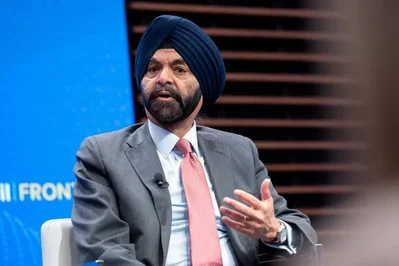
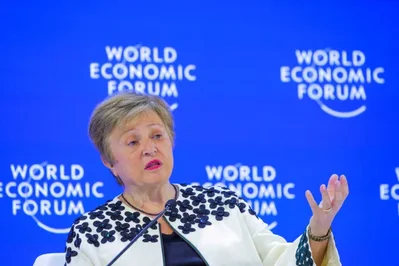
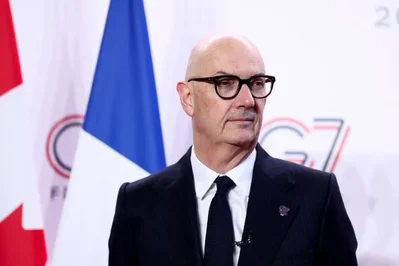
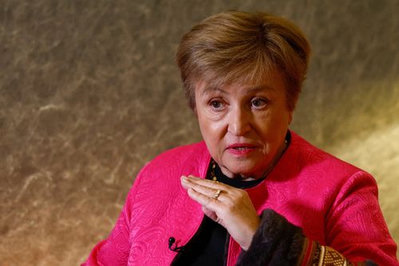
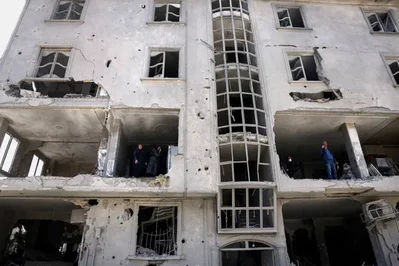
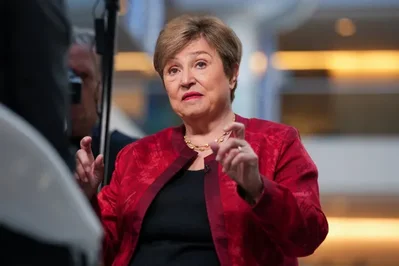
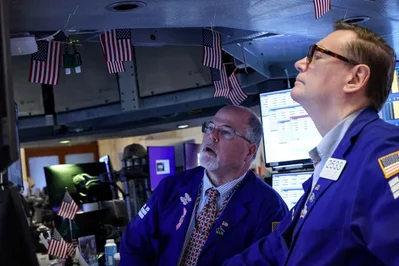
Global finance leaders gathered in Washington this past week for the International Monetary Fund and World Bank Spring Meetings, facing a landscape defined by persistent geopolitical volatility. The discussions revealed a growing realization that the United States may no longer be the sole guarantor of global economic stability as participants grappled with the fallout from conflicts in the Middle East. The mood shifted between deep concern over energy supply disruptions and cautious hope regarding the potential reopening of the Strait of Hormuz. This critical waterway is essential for the flow of commodities including Brent Crude Oil, West Texas Oil, and Natural Gas. However, by the end of the week, optimism waned following renewed attacks on shipping. Josh Lipsky, international economics chair at the Atlantic Council, noted that the most significant economic developments were occurring outside the official meeting rooms. > "Actually some of the most important decisions on the global economy are not happening here." The IMF recently adjusted its global growth forecast for 2026 down to 3.1% under its most optimistic scenario, while warning that the world is drifting toward a more adverse scenario of 2.5%. This downward pressure is exacerbated by the ongoing tensions involving Iran, which have kept energy markets on edge. Saudi Arabia Finance Minister Mohammed Al-Jadaan emphasized that a true recovery depends on the safe passage of tankers. > "If the clear waters are open, I think thats what would trigger, for me, a change in the scenario." The meetings also marked a significant re-engagement with Venezuela after a seven-year hiatus. The IMF and World Bank pledged a combined $150 billion in financing to support developing nations struggling with high energy costs. Despite these efforts, officials expressed frustration over the "new normal" of constant shocks, which began with the pandemic and were intensified by the invasion of Ukraine by Russia. European officials privately urged the American administration to take more decisive action to stabilize trade routes. France Finance Minister Roland Lescure highlighted the necessity of keeping the Strait of Hormuz accessible without exorbitant costs. > "The knot of this conflict is the Strait of Hormuz. We need this to open, but not at any price." For smaller nations, the cumulative impact of these crises has been overwhelming. Retselisitsoe Adelaide Matlanyane, the Minister of Finance and Development Planning for Lesotho, described the extraordinary pressure on fiscal policy and prices. > "For small, open, and vulnerable economies like Lesotho, these shocks have presented extraordinary pressures on the fiscals, on prices and on everything." Looking ahead, nations are seeking ways to reduce their vulnerability to global volatility. Thailand, which is set to host the annual meetings in October, is focusing on transitioning away from fossil fuel reliance. Ekniti Nitithanprapas, deputy prime minister of Thailand, suggested that the current crisis serves as an impetus to accelerate renewable energy projects, such as solar farms, to navigate a fragmented global economy.