EU Seeks US Compliance With Trade Deal After Surcharge
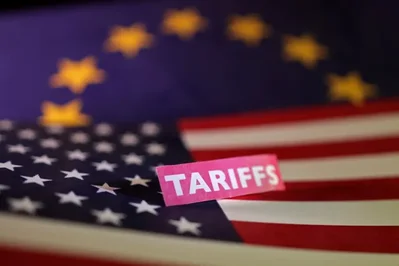
The EU urges the US to honor Turnberry trade terms after a new surcharge replaced struck-down tariffs. Some exports now face higher duties than under the deal.

The European Union is urging the United States to abide by the terms of a trade agreement reached last year, following a U.S. Supreme Court decision that invalidated previous global tariffs. In response to the ruling, the American administration has introduced a new import surcharge that the European bloc argues deviates from the agreed-upon framework. The Turnberry deal, established last July, set a 15% tariff for most European exports. Under this arrangement, tariffs on steel and aluminium were maintained at 50%, impacting sectors involving Steel Dynamics, Inc. and Daiki Aluminium Industry Co., Ltd.. The agreement also saw Washington reduce car import tariffs to 15%, while the European side eliminated duties on American industrial goods and provided preferential access for various agricultural products. The new 10% import surcharge, which took effect this week, was implemented after the Supreme Court ruled that the administration had exceeded its legal authority under the 1977 International Emergency Economic Powers Act. While the surcharge does not apply to cars, steel, or critical minerals, it is added on top of existing most-favoured nation (MFN) rates. This structure differs from the previous 15% flat rate, potentially leading to higher total costs for European exporters. According to the European Commission, approximately 7% of exports to the American market carry an MFN duty above 5%, meaning the combined surcharge and MFN rate will exceed the previous 15% cap. The impact is particularly notable for textiles, clothing, and footwear, with some products facing rates as high as 48%. Consumer goods such as glassware, handbags, and light fittings are also affected by the shift. Agricultural and food products are also seeing increased duties. MFN rates above 5% now apply to several dairy items, including Edam and Parmesan cheeses at 10% and Roquefort at 8%. Other affected goods include strawberries, melons, and Brussels sprouts. The European Union has noted that it faces a transition period of several months during which tariffs will remain elevated for these specific categories as the new trade policy takes effect.