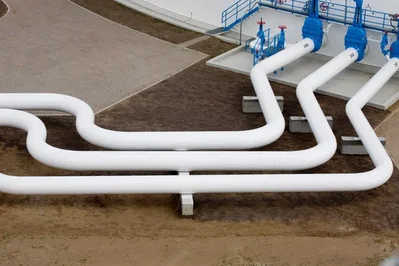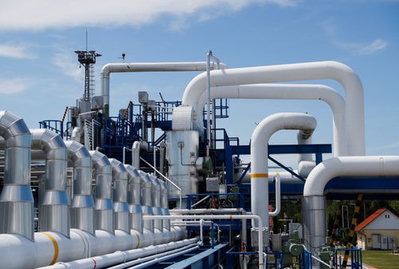


The government of Croatia[Country:{ \"assets\":{ \"country\":\"HR\" } }] is currently evaluating the legal feasibility of importing seaborne crude oil from Russia[Country:{ \"assets\":{ \"country\":\"RU\" } }] to supply Hungary[Country:{ \"assets\":{ \"country\":\"HU\" } }] and Slovakia[Country:{ \"assets\":{ \"country\":\"SK\" } }]. This assessment follows a significant disruption in the Druzhba pipeline, a critical energy artery that has served the region since the 1960s. The pipeline's operation was halted on January 27 due to damage in Ukraine[Country:{ \"assets\":{ \"country\":\"UA\" } }], which Kyiv has attributed to a drone strike.
A spokesperson for the European Commission confirmed that Croatian authorities are investigating whether such imports would comply with existing sanctions imposed by the European Union and the United States[Country:{ \"assets\":{ \"country\":\"US\" } }]. While the Croatian government has not yet issued a formal statement, it has previously indicated that the Adria pipeline has the capacity to handle increased oil volumes, though it suggested these supplies do not necessarily need to be Russian.