China unveils new plan to cut carbon intensity by 17 percent
China today set a 17 percent carbon intensity reduction goal for 2030. The plan focuses on renewable energy growth but avoids strict limits on coal usage.

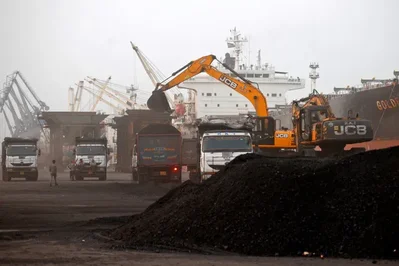
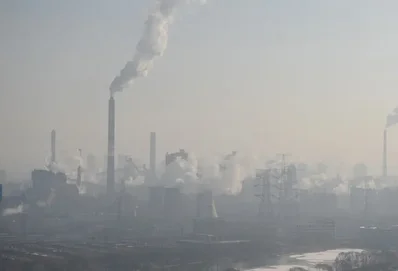
China has unveiled a new economic decarbonization plan that seeks to put its carbon intensity reduction program back on track by relying on its expanding renewable sector to limit coal consumption and rein in emissions. The five-year plan, released by the National Development and Reform Commission (NDRC), calls for a 17% reduction in carbon intensity, or emissions per unit of gross domestic product, from 2026 to 2030. While the strategy outlines targets to reach peak coal and replace 30 million metric tons of coal annually with renewables, it does not impose further overall limits on coal consumption.
This policy shift comes as the global energy market monitors the transition of major industrial players. The continued use of coal remains a focal point for producers like Warrior Met Coal, Inc., while the broader energy strategy also impacts traditional fuel entities such as PERMEX PETROLEUM CORP. The NDRC report indicated that efforts would be made to phase out outdated coal-fired equipment and promote carbon reductions in key industries by limiting their coal usage.
To achieve its climate objectives, the nation is accelerating its transition to clean energy, creating a robust environment for companies like Enlight Renewable Energy Ltd, CECEP Wind-power Corporation Co.,Ltd., and Quantum Solar Power Corp.. The government plans to introduce a mandatory minimum quota system for renewable energy consumption, aiming to significantly increase wind and solar capacity. President Xi Jinping previously stated that the country intends to reach 3,600 gigawatts of wind and solar capacity by 2035, though current building levels suggest this target may be exceeded earlier.
"The new carbon intensity goal is still alarmingly lax," said Lauri Myllyvirta, co-founder of the Helsinki-based Centre for Research on Energy and Clean Air.
According to Myllyvirta, the 17% target could allow emissions to increase by 3% to 6% over the next five years, given economic growth projections. Research from the Centre for Research on Energy and Clean Air (CREA) suggests that a 23% cut would be required to meet Paris Agreement commitments. Yao Zhe, a policy advisor for Greenpeace East Asia, noted that even the current target will be challenging to achieve due to the energy demand required to fuel the manufacturing sector.
"The focus increasingly shifts to more challenging areas - decarbonising hard-to-abate sectors, integrating a much larger share of renewables into the power system and building a more flexible and resilient electricity system," said Muyi Yang, a senior energy analyst for Ember.
Historically, the country has struggled to meet its intensity targets, having reduced carbon intensity by 12% during the previous five-year plan against a target of 18%. For 2026, the NDRC has set a reduction goal of approximately 3.8%. This year also marks the start of a transition from controlling energy intensity to a "dual control" system focused on carbon intensity, which will implement industry and project-level emissions controls. While the plan aims to peak both coal and oil consumption during this period, it has raised questions regarding previous commitments to phase down coal usage.