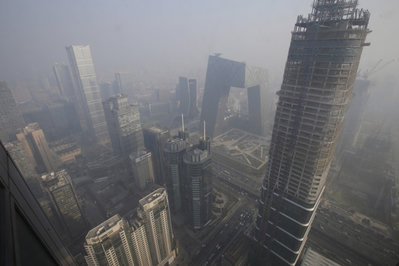
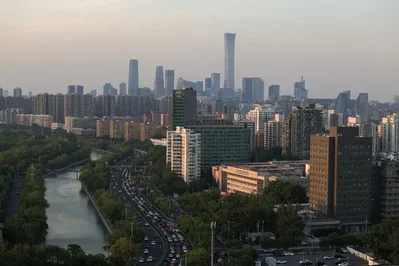
China boosts spending to meet 2026 economic growth target
Beijing will invest over 7 trillion yuan in 109 major projects to support its 2026 growth target. The central bank also pledged flexible monetary policy tools.

Government officials in Beijing have announced a significant increase in spending on infrastructure and public services to ensure China meets its economic growth target for the year. This fiscal push occurs against a backdrop of heightened global uncertainty, fueled by the conflict involving the United States, Israel, and Iran. Beijing recently established a growth target of 4.5%-5% for 2026, a slight moderation from the 5% achieved last year, which was supported by a record $1.2 trillion trade surplus.
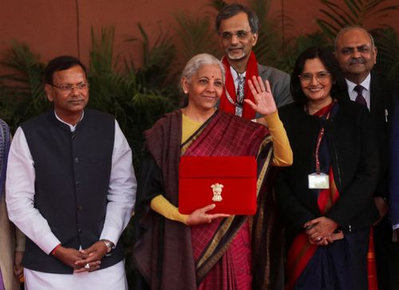
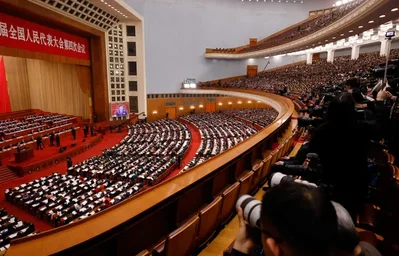
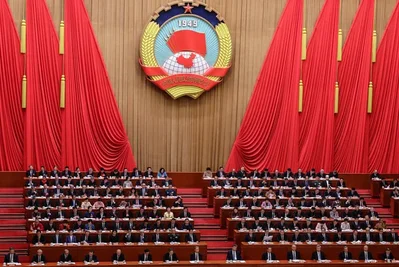
Zheng Shanjie, head of the National Development and Reform Commission, emphasized that the country has a robust foundation for achieving these goals, citing its innovation capacity and risk-management scale. At a press conference held during the annual parliament meeting, Zheng noted that while the foundation is solid, the government remains aware of the various difficulties facing economic development.
To achieve the target, we have a solid foundation, which is reflected in at least three aspects: overall scale, innovation capacity, and risk‑response capability.
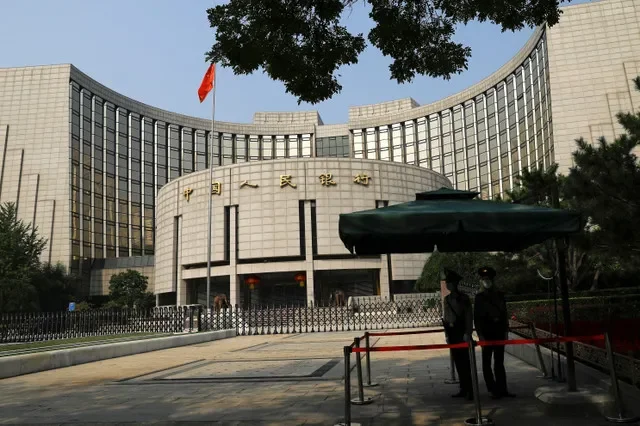
The government has also introduced a five-year plan to accelerate scientific breakthroughs and integrate artificial intelligence across the economy. This initiative includes 109 major projects spanning water and power networks, computing infrastructure, and healthcare, with total investments expected to surpass 7 trillion yuan this year. Zheng stated that these projects aim to combine physical infrastructure with investments in people to strengthen national capacity and improve livelihoods.
Commerce Minister Wang Wentao reported that while trade momentum remained strong at the start of the year, geopolitical tensions are creating uncertainty for exporters and supply chains. He called for more balanced trade development, noting that the ministry will prioritize importing more agricultural products, high-quality consumer goods, and advanced equipment.
Exports and imports are like the two wheels of a car - if theyre in balance, the car runs more smoothly and can go further.
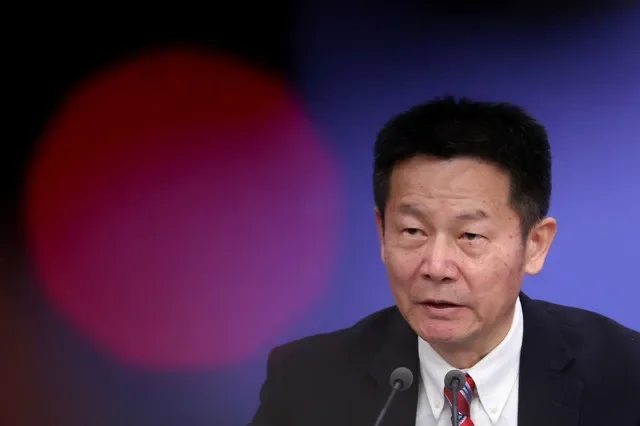
Finance Minister Lan Foan detailed a 100 billion yuan fiscal-financial coordination fund to stimulate consumption and private investment. This will be supported by a 250 billion yuan special treasury bond quota for consumer goods trade-ins. Additionally, Pan Gongsheng, governor of the People’s Bank of China, stated that the central bank will flexibly use monetary policy tools, such as interest rate cuts and reserve requirement ratio adjustments, to support growth and manage volatility in the USD/CNY exchange rate.