Apple celebrates 50 years of tech innovation and growth
Apple celebrates 50 years of growth from a garage startup to a global giant. The firm now faces pressure to integrate AI as rivals gain a market lead.

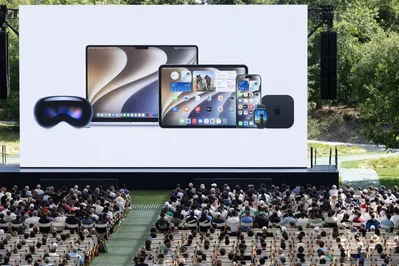
In early 1976, a circuit board designed by Steve Wozniak in a California garage laid the foundation for what would become Apple Inc. As the company celebrates its 50th anniversary this Wednesday, its journey from a hobbyist project to a global tech titan has fundamentally redefined personal computing, mobile communication, and the digital economy. The company's trajectory shifted dramatically after the turn of the century. The introduction of the iPhone transformed the smartphone into a mainstream necessity, while the expansion into services and in-house M-series chips solidified its market dominance. However, the tech giant now faces a pivotal moment as it navigates the rapidly evolving landscape of artificial intelligence. While Apple has integrated machine learning into its hardware since 2017, competitors like Alphabet Inc and Microsoft Corp have invested billions to secure an early lead in generative AI. Since the launch of ChatGPT in late 2022, Apple's stock has lagged behind its peers in the "Magnificent Seven," leading to concerns regarding its readiness for the AI era. Despite these challenges, the company's financial footprint remains massive. Annual revenue is projected to reach $465 billion for the current fiscal year, driven by steady demand for the iPhone 17 and the successful launch of the MacBook Neo. The services division—encompassing the App Store, Apple Music, and streaming—has become a critical revenue engine, though it continues to face legal scrutiny over its ecosystem control. Geographically, the company is looking beyond the saturated market of the United States. Emerging markets, specifically China and India, are increasingly vital to its long-term growth strategy. > The company made it fifty years with no one truly competing with its integrated business model; the fate of its next fifty years may rest on the question of just how compelling AI ends up being — and if OpenAI can out-Apple the original, independent tech analyst Ben Thompson said on Stratechery.com on Tuesday. From the Apple I circuit board to the Vision Pro mixed-reality headset, the company's history is marked by products that have shaped popular culture. Whether it can maintain this influence in the face of new AI-driven devices remains the defining question for its next half-century.