934.HK
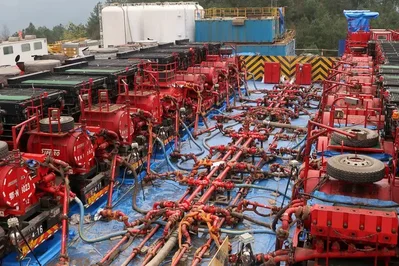
State energy giants Sinopec and PetroChina are targeting ancient shale formations 5,000 meters deep to arrest slowing production growth. Experts estimate these ultra-deep projects could increase national shale gas output to 40 billion cubic meters by 2035 as Beijing seeks to reduce its reliance on fuel imports.
China released 18 million metric tons of fuel export quotas in its second batch for the year. The volume remains largely steady compared to 2025 levels.
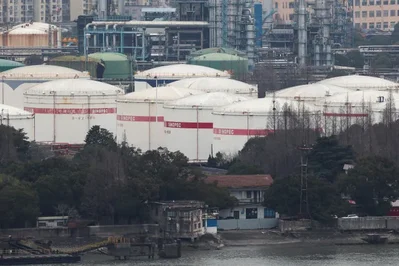
Chinese refiners are drawing down record crude inventories to compensate for imports falling to their lowest level in ten years. State-run and independent plants are maintaining output curbs to minimize refining losses as weak fuel demand and high global prices pressure domestic margins.
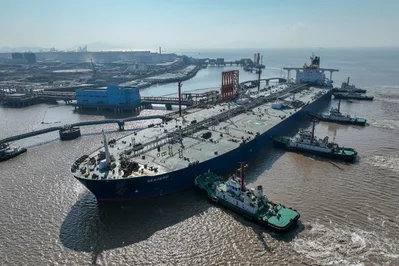
Several tankers have exited the Strait of Hormuz for Pakistan and China. These shipments follow months of restricted traffic due to regional conflict.
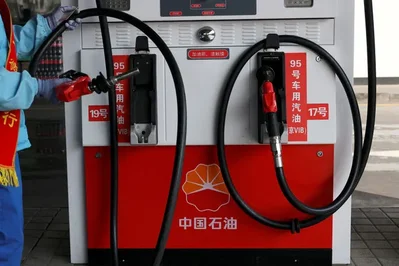
China will extend its fuel export ban through April while allowing small shipments to regional neighbors. State firms will manage these limited fuel deliveries.
PetroChina reported a 4.5 percent drop in 2025 net profit to 157.3 billion yuan due to lower oil prices. The firm plans to increase capital spending in 2026.
China's state-run refiner Sinopec announced on Monday that it does not intend to buy Iranian oil. The decision comes despite recent U.S. sanctions waivers.
網頁上的所有功能,更快,隨手可用。