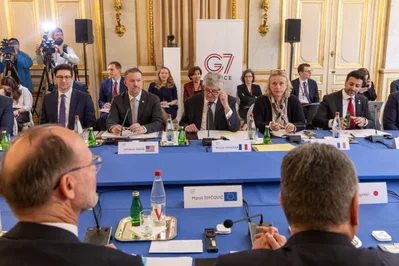
USTR Urges Allies to Pay More for Critical Minerals
USTR Jamieson Greer says allies must pay a premium for minerals sourced outside China. He blamed cost-cutting for the current reliance on Chinese supplies.

United States Trade Representative Jamieson Greer has informed international allies that they must be willing to pay higher prices for critical minerals sourced from outside China. In an interview with the Financial Times, Greer stated that allies should prepare for a \"national security premium\" to support a proposed group of trading partners, including Europe, in securing essential supply chains.
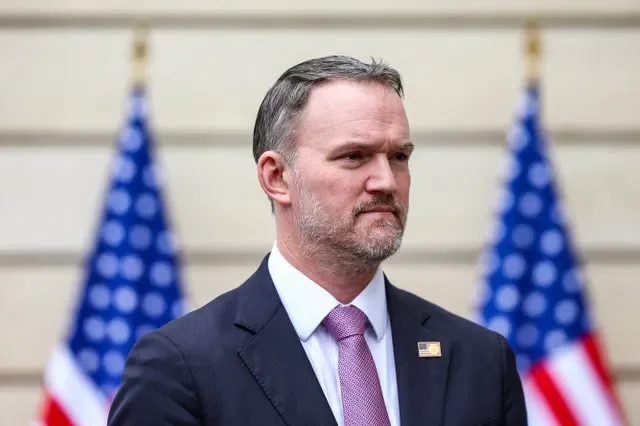
Greer, who is currently developing a framework of specific details to share with partners regarding the initiative, argued that the current Western dependence on Chinese minerals is a direct result of a narrow focus on business costs and cost efficiency over strategic security.
\"There is a premium we pay, and I call it the national security premium, and we will all pay a national security premium to have a secure supply chain.\"
The Trade Representative addressed concerns from partners regarding the potential economic impact of price floors or other market mechanisms. He suggested that the prior emphasis on lower costs is the primary reason for the current supply chain vulnerabilities.
\"When trading partners express concerns about the economic cost of price floors or mechanisms, I just say: what you’re talking about, which is cost efficiency, this is why we are in the situation we’re in.\"
Greer has previously advocated for the establishment of price mechanisms for rare earth minerals to stabilize the sector. The United States is actively working to secure access to critical mineral reserves as it seeks to diversify supply chains currently dominated by Chinese industry participants.