US Urges G20 to Focus on Growth

At the G20 meeting in North Carolina, US officials urged finance leaders to prioritize economic growth to tackle rising global debt. Treasury Secretary Scott Bessent emphasized private sector deregulation and addressing trade imbalances.

Updated
Insights:
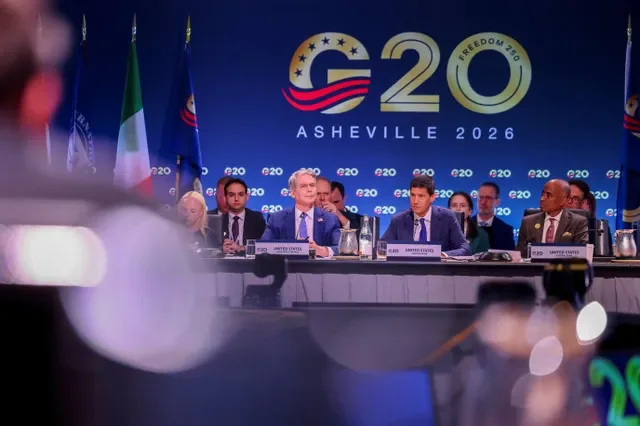
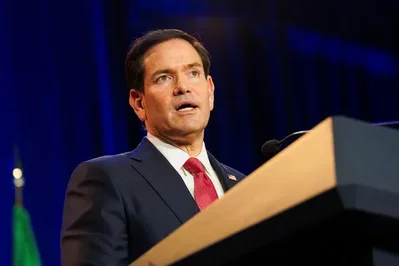
U.S. Treasury Secretary Scott Bessent and Federal Reserve Chair Kevin Warsh attend a plenary session as finance ministers and central bank governors from G20 countries meet in Asheville, North Carolina, U.S., August 31, 2026. REUTERS/Sam Wolfe

United States officials urged Group of 20 finance leaders on Monday to prioritize economic growth to counter global debt levels that hit a record $353 trillion earlier this year. The push comes as global markets grapple with an energy shock from the Iran conflict and trade tensions over China's $1.2 trillion trade surplus. Investor scrutiny on sovereign debt has intensified, forcing a reappraisal of safe-haven assets.

Confronting Record Debt Through Growth

The two-day meeting in Asheville, North Carolina, addresses a global economy buffeted by post-GFC and post-COVID debt expansion. U.S. Treasury Secretary Scott Bessent told delegates that expanding economic output is the only viable exit path from the current debt load.

"The world is awash in debt post-GFC, post-COVID, and the only way for us to get out of this is to grow our way out of this," Bessent said.

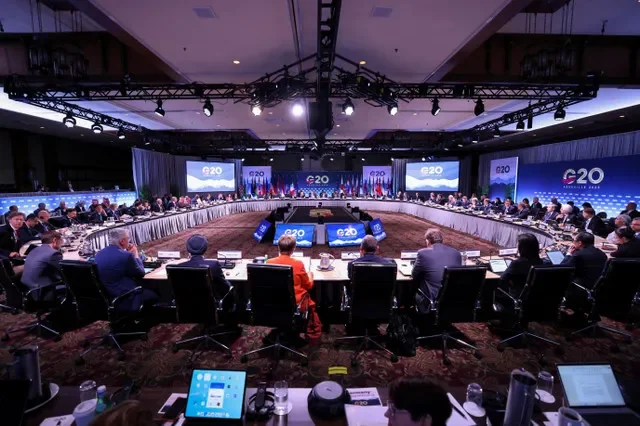
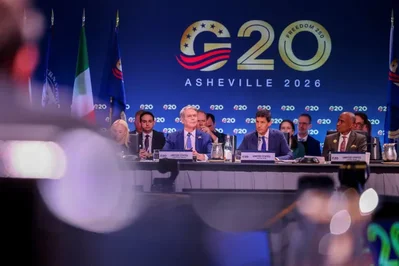
Finance ministers and central bank governors from G20 countries attend a plenary session in Asheville, North Carolina, U.S., August 31, 2026. REUTERS/Sam Wolfe

Federal Reserve Chair Kevin Warsh, attending his first international policy meeting, characterized the current economic landscape as a global investment surge that has reversed the previous savings glut. U.S. officials outlined several structural impediments to growth, including excessive regulatory burdens, fragmented internal markets, and workforce skill gaps.

Trade Imbalances and Regional Pressures

Washington aims to use the G20 platform to isolate Tehran and resolve energy disruptions in the Strait of Hormuz. Officials also pressed Beijing to rebalance its export-dependent economy toward domestic consumption to mitigate global trade imbalances.

Bessent held bilateral talks on Sunday, meeting with China's central bank governor Pan Gongsheng. He also scheduled discussions with Canada's finance counterpart as Ottawa prepares counter-tariffs following the collapse of recent trade negotiations.

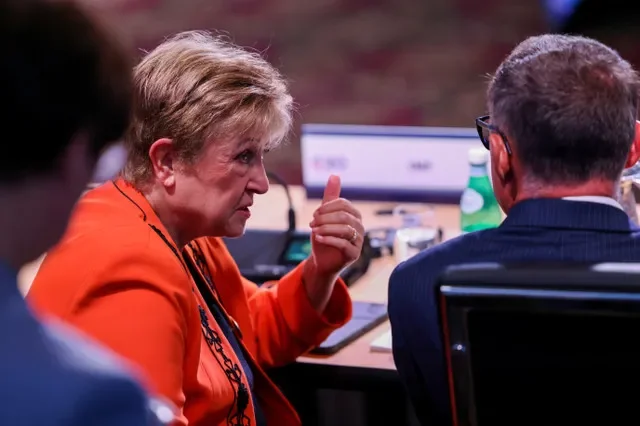
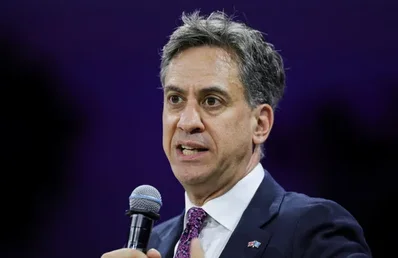
International Monetary Fund (IMF) Managing Director Kristalina Georgieva attends meeting of finance ministers and central bank governors from G20 countries in Asheville, North Carolina, U.S., August 31, 2026. REUTERS/Sam Wolfe

The U.S. treasury department reported that strong domestic growth, driven by AI infrastructure investments, has absorbed excess savings and pushed up U.S. Treasury yields. Bessent dismissed concerns regarding U.S. bond market stability, emphasizing that continued economic expansion justifies large budget deficits.

G20 finance ministers and central bankers will conclude their two-day economic policy meetings in Asheville on Tuesday.


Assets in this story

Insightful questions