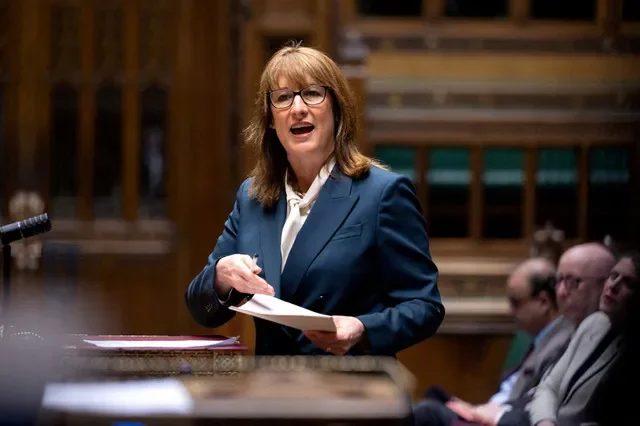
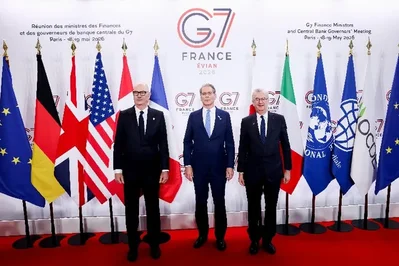
According to a statement from her ministry, Reeves intends to emphasize the necessity of collective action within the Group of Seven to ensure that economic pressures are not unfairly distributed among allies.
The G7 should act together, not in ways that shift pressure onto partners or weaken collective resilience.
The G7 consists of the United States, Canada, France, Germany, Italy, and Japan, along with the European Union. Reeves is expected to highlight that protectionist policies and the introduction of trade barriers are likely to disrupt international supply chains and escalate costs for consumers. She will maintain that international cooperation remains the most effective tool for ensuring the flow of goods and energy while gradually reducing household bills.
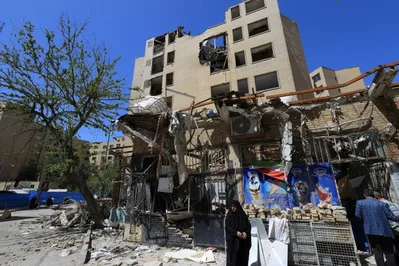
The conflict, which began when the United States and Israel launched military operations against Iran on February 28, has since expanded across the Middle East. This war has resulted in significant loss of life and has triggered what experts describe as the most substantial disruption to global energy supplies in history, placing immense pressure on the world economy.