
US gasoline prices expected to rise after Iran conflict
US gas prices are set to top $3 a gallon on Monday after strikes on Iran. Analysts warn that oil flow disruptions could further increase retail energy costs.

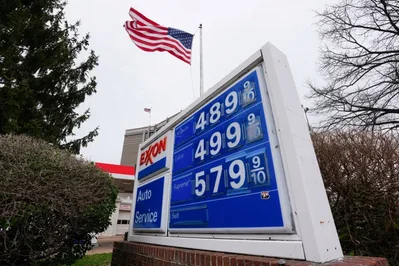
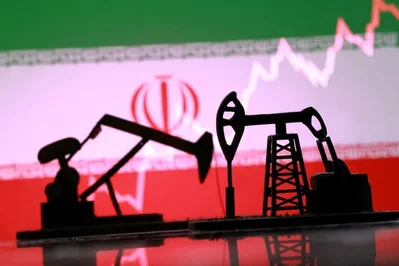
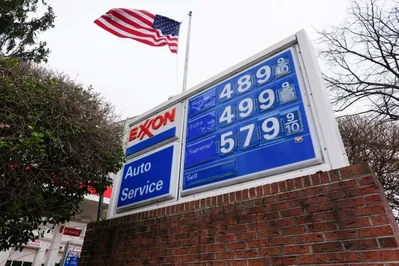
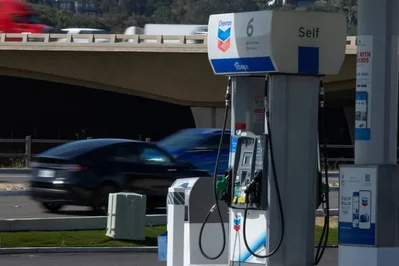
Average retail gasoline prices in the United States are projected to climb above $3 per gallon on Monday, marking the first time in over three months that the national average has reached this threshold. The price surge follows an escalation in conflict between Washington and Iran, a major global oil producer, which has significantly disrupted international energy flows. Analysts suggest this development poses a substantial political risk for President Donald Trump and the Republican Party ahead of the November midterm elections, as inflation remains a primary concern for the electorate. Patrick De Haan, an analyst at retail price tracker GasBuddy, noted that pump prices could surpass the $3 mark for the first time this year. National averages were as low as $2.85 per gallon in February, but the recent military strikes have shifted market expectations. > "Oil will move first. Gasoline will follow — but gradually," De Haan stated in a recent analysis following the strikes. The geopolitical tension intensified after the Iranian government announced the closure of the Strait of Hormuz. This decision followed air strikes by the U.S. and Israel that resulted in the death of Supreme Leader Ali Khamenei. The strait is a vital maritime chokepoint through which approximately one-fifth of the world's oil supply is transported. Reports indicate at least three tankers have sustained damage in the region, prompting major shipping firms to avoid the route. In response to the instability, global benchmark Brent Crude Oil surged by 10% to approximately $80 a barrel in over-the-counter trading. Some market observers predict that prices could reach $100 a barrel if the conflict expands. Bob McNally, president of Rapidan Energy Group, observed that the White House appears prepared to navigate the political fallout of higher energy costs to achieve its foreign policy goals. > "Their eyes are wide open to the risk, and I expect they will focus on shortening the amount of time Iran has to control the flow of energy through the Strait of Hormuz," McNally said. To mitigate the impact on consumers, the administration may consider releasing supplies from the Strategic Petroleum Reserve (SPR). This strategy was previously utilized by former President Joe Biden in 2022 to combat price spikes following the invasion of Ukraine by Russia, a move that faced criticism from Republican leaders at the time. Beyond geopolitical factors, domestic gasoline prices were already under upward pressure due to seasonal transitions. Refiners have begun the shift to summer-grade fuel, which is more expensive to produce but required by environmental regulations to limit pollution during warmer months. Tom Kloza, a senior adviser at Gulf, noted that while a peaceful environment might have seen prices rise to $3.25, the recent hostilities have accelerated the timeline and introduced the potential for even higher figures. Despite the current volatility, high inventory levels in the U.S. may provide a temporary buffer. Government data shows gasoline stocks at 254.8 million barrels as of late February, representing about 30 days of supply. While immediate market reactions are expected to be sharp, analysts believe the situation may stabilize once the initial shock subsides.