
US Crude Prices Rise 10 Percent Amid Middle East Conflict
US crude rose 10 percent Friday as the Strait of Hormuz closure restricted supply. Buyers seek alternatives as the Middle East conflict disrupts exports.

WTI Crude Oil Futures surged by more than 10% on Friday, significantly narrowing the price gap with Brent Crude Oil Futures as global buyers scrambled for available barrels. The rally intensified as supply from the Middle East remained constrained following the effective closure of the Strait of Hormuz. In the United States, futures climbed $7.81 to reach $88.96, while Brent futures rose $5.42 to settle at $90.83 per barrel.
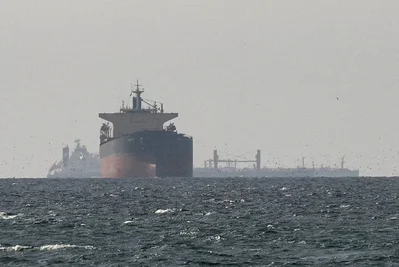
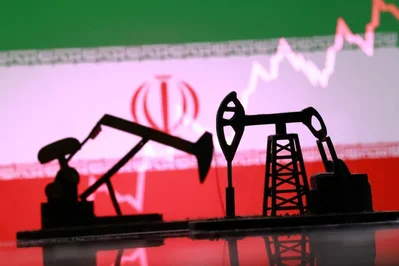
The market volatility stems from the expanding conflict involving Israel and Iran, which has disrupted one of the world's most critical energy corridors. Approximately 20% of global oil demand typically passes through the Strait of Hormuz daily. With the passage closed for seven consecutive days, an estimated 140 million barrels have been unable to reach international markets.
UBS analyst Giovanni Staunovo noted that refiners and trading houses are actively seeking alternative barrels, with American production serving as a primary alternative.
"To prevent inventories in the U.S. being reduced too quickly via too high exports, the spread is moving back to the transportation costs."
The energy minister of Qatar warned that Gulf energy producers could shut down exports within weeks, a move he suggested could drive oil prices as high as $150 per barrel. John Kilduff, a partner at Again Capital, echoed the sentiment that triple-digit prices are likely.
"I think the forecasts of $100 a barrel all are to come to true."
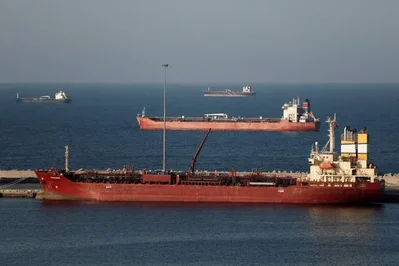
To mitigate supply constraints, the U.S. Treasury Department has granted waivers allowing companies to purchase oil from Russia currently held in tankers. These waivers were first extended to refiners in India, who have since acquired millions of barrels. According to ship-tracking firm Kpler, roughly 30 million barrels of Russian crude are currently available in regions including the Indian Ocean and near Singapore.
President Donald Trump stated that his administration's priority remains the ongoing military operation, regardless of the impact on domestic gasoline prices. While the White House is exploring measures to combat rising costs, officials have reportedly ruled out the immediate use of the Treasury Department to trade oil futures.