
US Airlines Face Higher Costs Amid Rising Fuel Prices
US carriers face billions in extra costs as jet fuel prices rise 15% following recent strikes on Iran. Without hedging, airlines may pass costs to travelers.

Major air carriers in the United States are facing a significant threat to their profit margins as geopolitical tensions between Israel and Iran drive fuel costs higher. Unlike many of their international peers, American airlines largely abandoned the practice of fuel hedging years ago, leaving them vulnerable to sudden price swings. Jet fuel prices have already climbed 15% in the past week, adding further strain to an industry grappling with thousands of flight cancellations and stranded passengers due to the expanding conflict.
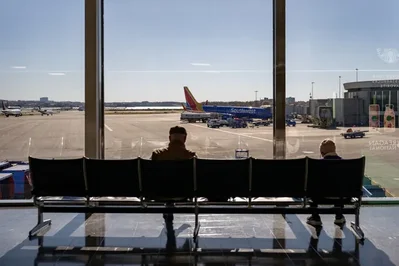
While European and Asian companies like Air France-KLM S.A. and CATHAY PACIFIC AIRWAYS continue to use derivative contracts to lock in fuel prices, U.S. carriers have shifted away from the strategy. Southwest Airlines Co., which was once a prominent hedger, ended the practice in 2025 after determining it was both expensive and unreliable. Without these protections, airlines are now exposed to a spot market where fuel at the U.S. Gulf Coast recently surged to $4.12 per gallon, the highest level seen since June 2022.