
African airlines face rising costs as fuel prices surge
African carriers face fuel shortages and price surges due to Middle East conflict. Airlines add surcharges as fuel costs account for up to half of expenses.

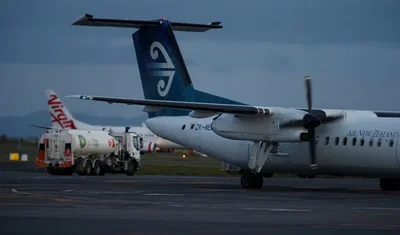
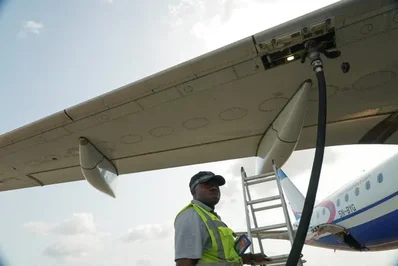
Airlines are navigating a period of intense volatility as jet fuel prices surge following a conflict involving the United States, Israel, and Iran. This geopolitical instability has triggered a supply crunch, particularly affecting the African continent, which relies heavily on imports passing through the Strait of Hormuz. According to data from S&P Global, approximately 70% of jet fuel and kerosene imports to Africa flow through this critical maritime corridor. Since the conflict escalated in late February, shipping from Middle Eastern refineries has nearly stopped, removing nearly 20% of global oil and liquefied natural gas supplies from the market. This disruption follows earlier market shocks, such as those seen during the invasion of Ukraine by Russia. The rapid fluctuation in costs has made flight planning increasingly difficult for operators. Jannie de Klerk, executive director of flight operations at National Airways Corporation, noted that prices often change between the time a flight is quoted and when it lands. > By the time you get there, the price has changed. De Klerk highlighted a specific instance where fuel prices in South Africa rose by six rand per liter within a 10-hour window during a medical emergency flight. This volatility is particularly taxing for African carriers, where fuel typically represents 30% to 40% of operating expenses, significantly higher than the global average of 20% to 25%. Low-cost carrier FlySafair reported that fuel accounts for up to 55% of its direct operating costs. The airline, which operates a fleet of 37 aircraft from The Boeing Company, estimates that current price levels add roughly $2,071 in costs per flight hour for each aircraft. Supply buffers are also thinning across the region. While Kenya maintains about 50 days of stock, Zambia has warned that its reserves have dropped to just 10 days. South African domestic stocks are estimated to last three to four weeks. The vulnerability of these nations is compounded by limited local refining capacity. In South Africa, only two crude refineries remain operational: the Natref plant owned by SASOL LTD and Astron Energy, owned by Glencore plc. Other nations, including Madagascar, are also highly exposed due to their dependence on refined product imports. To mitigate the impact, some airlines have introduced temporary fuel surcharges or adjusted fare structures. Airlink Chief Executive de Villiers Engelbrecht noted that while price shocks are immediate, managing stock shortages requires long-term planning. > Shock price adjustments tend to be more immediate, while stock shortages are more predictable and, in theory, easier to manage. The crisis is also being felt globally. In Asia, where inventories are generally higher, governments are taking protective measures. China has reportedly implemented a ban on the export of diesel, gasoline, and jet fuel until at least the end of March. Meanwhile, European airline leaders have warned that a prolonged conflict will lead to higher fares and potential fuel shortages as the region prepares for the summer peak demand.