U.S. dollar ends seven-day losing streak on peace talk hopes
The U.S. dollar rose today as investors weighed potential peace talks with Iran. Markets remain focused on the Strait of Hormuz and global inflation news.

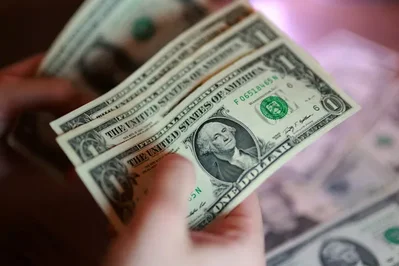
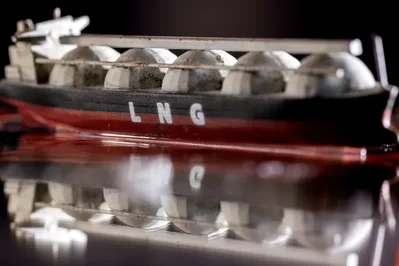
The United States dollar edged higher on Wednesday, positioning itself to break a seven-session losing streak. This shift comes as market participants evaluate the potential for renewed peace negotiations between Washington and Iran. The greenback had previously fallen to its lowest levels since the outbreak of hostilities involving Israel in late February. U.S. President Donald Trump suggested that the conflict could reach a conclusion shortly, advising observers to anticipate significant developments over the coming days. Despite this optimism, U.S. military forces continue to enforce a blockade on Iranian ports, turning back vessels. A senior official clarified that while engagement continues, a formal agreement to extend the current ceasefire has not yet been reached. > "Were trying to figure out if negotiations are going to continue, if the ceasefire will continue, and if ultimately tensions can be established as solidified or eased, but no one knows exactly where things are going," said Juan Perez, senior director of trading at Monex USA. The closure of the Strait of Hormuz has severely impacted global trade, as the waterway handles approximately 20% of the world's oil and Natural Gas shipments. This disruption has kept energy prices elevated, with West Texas Oil trading near $91.23 per barrel and Brent Crude Oil rising slightly to $94.81. In currency markets, the dollar index rose 0.03% to 98.11. The EUR/USD pair was nearly flat at $1.1794, while the USD/JPY strengthened 0.13% to 158.98, approaching levels that have previously prompted intervention from officials in Japan. Meanwhile, GBP/USD saw a marginal gain of 0.04% to reach $1.3567, as the United Kingdom faces its own inflationary pressures. Economic indicators provided a mixed outlook for the domestic market. U.S. import prices rose 0.8% in March, falling short of analyst expectations but contributing to a 2.1% year-on-year increase. Treasury Secretary Scott Bessent noted that while the war would likely slow growth this quarter, the underlying economy remains resilient and oil prices do not appear to be weighing on inflation expectations. > "Not only are we at the mercy of the headlines over the conflict, but now the focus is going to be on economic growth." Central bank rhetoric remains cautious as the geopolitical situation evolves. Cleveland Fed President Beth Hammack indicated that there is no immediate pressure to adjust interest rates, though she left the door open for future changes. In Europe, ECB President Christine Lagarde stated that it is too early to determine if the current inflation spike, driven by energy costs, will necessitate a rate hike.