
Trump Pursues Iran Deal Amid Rising Domestic Costs
President Trump is seeking a diplomatic end to the Iran conflict as rising energy costs and inflation impact his approval ratings ahead of midterm elections.

Seven weeks of conflict have failed to dismantle the leadership in Iran or force them to concede to all demands of the United States[country:\"US\" }], but the crisis has highlighted a significant vulnerability for President Donald Trump: the domestic economy. While the Middle East remains volatile, the limits of the administration's tolerance for economic disruption have become increasingly apparent.
Trump initiated military action alongside Israel on February 28, citing imminent security threats related to Tehran's nuclear program. However, as the conflict progressed, the administration faced rising domestic pressure from high WT GASOLINE prices, surging inflation, and declining approval ratings. These factors have prompted a shift toward securing a diplomatic resolution to mitigate the fallout at home.
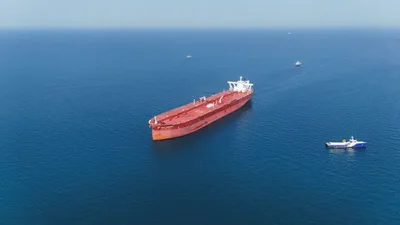
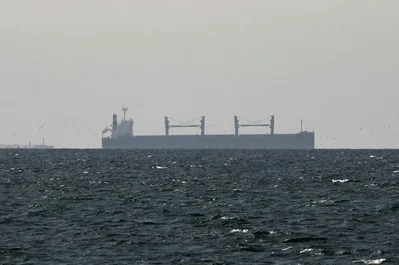
The economic impact of the war has been felt globally, with energy markets experiencing significant shocks. Although the U.S. is not directly dependent on the oil shipments that pass through the Strait of Hormuz, the global nature of energy pricing means that benchmarks like Brent Crude Oil and West Texas Oil have seen substantial volatility. The International Monetary Fund has warned of a potential global recession, adding to the administration's concerns as Republicans prepare for the November midterm elections.
“Trump is feeling the economic pinch, which is his Achilles heel in this war of choice,” said Brett Bruen, a former foreign policy adviser in the Obama administration.
White House spokesman Kush Desai maintained that the administration remains focused on its long-term goals despite the current negotiations.
“President Trump can walk and chew gum at the same time,” he said.
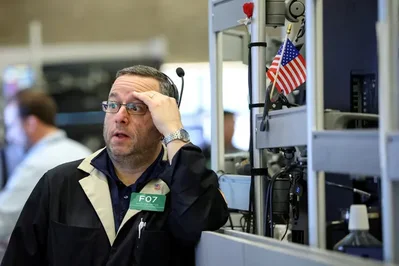
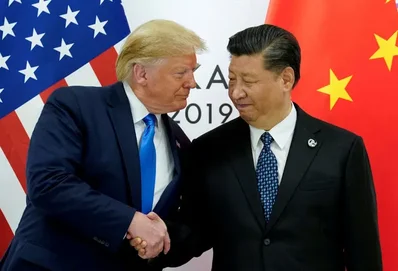
The shift toward diplomacy followed pressure from financial markets and key domestic constituencies, including farmers affected by disrupted fertilizer shipments. Global rivals, including China and Russia, are observing the situation closely. Analysts suggest these nations may conclude that while Trump is willing to use military force, he seeks diplomatic exits when economic costs become too high.
This perception of erratic policy-making has also caused concern among allies. Governments in Japan, South Korea, and Taiwan are reportedly evaluating the reliability of U.S. security commitments. Similarly, European nations are wary of how this economic sensitivity might affect continued support for Ukraine in its conflict with Russia.
“The alarm bell ringing for allies right now is how the war has highlighted that the administration can act erratically, without much regard for consequences,” said Gregory Poling, an Asia expert at the Center for Strategic and International Studies.
The current conflict stands in contrast to previous limited operations, such as the lightning raid in Venezuela or previous strikes on nuclear sites. Iran's ability to strike back economically by targeting energy infrastructure in the Gulf has proven more far-reaching than initially anticipated. Regional partners like the United Arab Emirates are calling for a swift end to the hostilities but remain cautious about any deal that lacks long-term security guarantees.
“An end to this conflict should not also create a continuous instability in the region,” said Anwar Gargash, diplomatic adviser to the president of the United Arab Emirates.
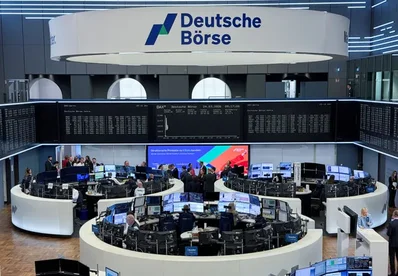
As a two-week ceasefire continues, the focus remains on whether a deal can be reached that addresses Iran's nuclear path. While Trump has touted a potential agreement, Iranian sources indicate that significant gaps remain. Financial markets flourished on Friday following news that the Strait of Hormuz would reopen during a separate truce between Israel and Lebanon.
Despite the potential for a diplomatic breakthrough, political strategists warn that the domestic political cost may already be mounting.
“He’s aware that a significant portion of the country outside his MAGA base, and even some within the MAGA base, are vehemently opposed to what he’s done,” said Chuck Coughlin, an Arizona-based political strategist.