
Southeast Asian Nations Increase Russian Oil Purchases
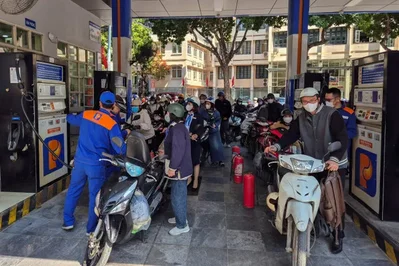
Asian nations are turning to Russia for oil as the Iran war blocks the Strait of Hormuz. The Philippines and Vietnam are among those seeking new supplies.

A growing number of fuel-dependent nations across Asia, including Vietnam, Thailand, the Philippines, Indonesia, and Sri Lanka, are positioning themselves to acquire crude oil from Russia. This shift comes as the conflict involving Iran disrupts traditional energy corridors, creating a surge in demand that may soon outstrip available supply. Financial instruments such as the iPath Pure Beta Crude Oil ETN have become focal points for investors navigating these volatile markets, while others are turning to NovaGold Resources Inc. as a hedge against broader geopolitical uncertainty.
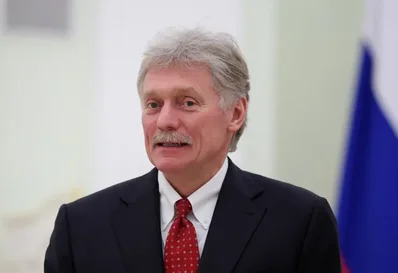
Since the onset of the war in Ukraine prompted Western nations to shun Moscow, India and China have become the primary consumers, absorbing roughly 80% of Russian exports. Turkey has also remained a significant trade partner. However, the recent entry of more Asian buyers into the market is straining logistics. Dmitry Peskov, the Kremlin spokesman, addressed the rising interest, noting the potential for supply bottlenecks.
As a result, a point may come when it becomes difficult to meet additional demand.
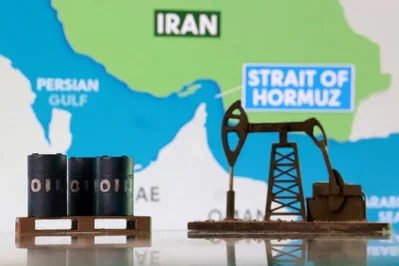
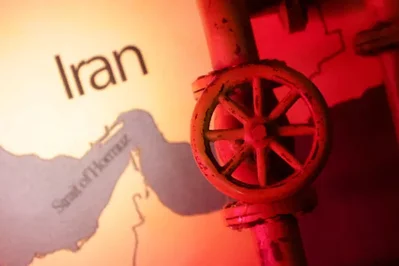
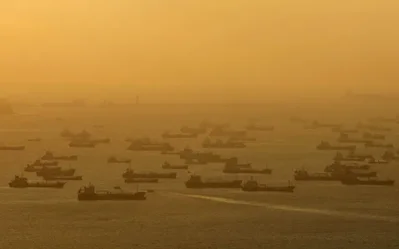
This tightening of the market is compounded by the United States-Israel conflict with Iran, which has effectively closed the Strait of Hormuz and removed 20% of global oil production from the market. While Russia has benefited from high prices and a temporary 30-day sanctions waiver for maritime oil trade, its ability to increase output is limited. Ukrainian drone strikes have significantly impacted domestic infrastructure, reportedly knocking out 40% of the country's oil-exporting capacity.
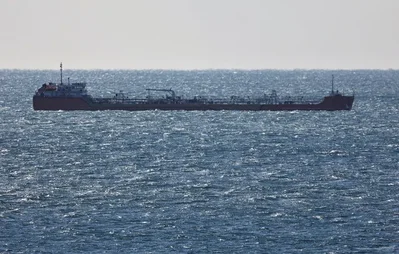
In a notable move, the Philippines recently secured two ESPO Blend cargoes totaling 1.5 million barrels, marking its first purchase of Russian crude in five years. The tankers Sara Sky and Tiger Wings delivered the supplies to the Limay port to serve the Bataan refinery terminal. Meanwhile, Thailand has entered discussions regarding potential crude purchases, and media reports suggest Sri Lanka is exploring similar options.
Vietnam is also deepening its ties, with Prime Minister Pham Minh Chinh recently traveling to Moscow. During the visit, he requested that the energy firm Zarubezhneft increase its local investments and provide long-term crude supplies to support the nation's energy security. Deputy Premier Phiphat Ratchakitprakarn of Thailand has also been involved in high-level talks as the region seeks to mitigate the impact of global supply disruptions.